
What to know
Fujisan Sengen Shrine (富士山本宮浅間大社, Fujisan Hongū Sengen Taisha) sits in Fujinomiya City at the southwestern foot of Mount Fuji. Built over a thousand years ago to protect against volcanic eruptions, it has become the region's most important shrine and the head of more than 1300 Sengen and Asama shrines across Japan. The shrine also serves as a traditional starting point for climbing Mount Fuji.
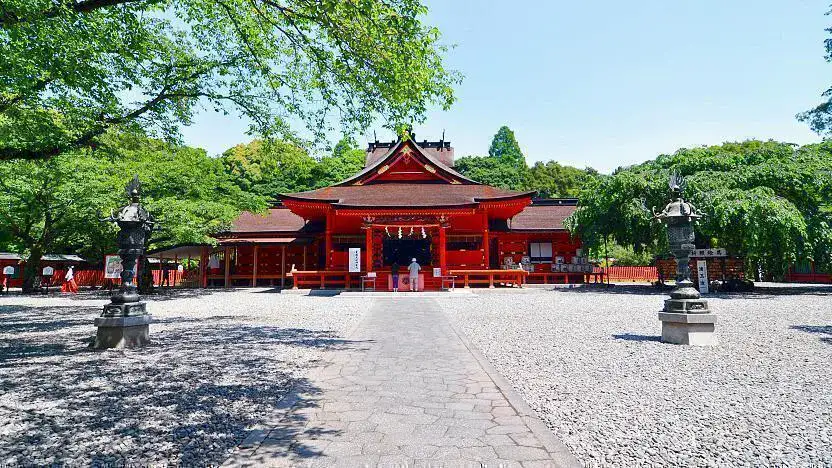
In its heyday, Fujisan Sengen Shrine was one of the largest and most magnificent shrines. The current buildings were erected by Tokugawa Ieyasu in the early 1600s, but many original structures were lost to earthquakes. Only the Inner Shrine, Outer Shrine, and Tower Gate remain. The Inner Shrine features a unique two-story design in the Sengen architectural style, named after the shrine itself.
The shrine grounds are home to about 500 cherry trees, usually blooming from late March to early April. Most line the Sakuranobaba, a path used for the shrine's famous horseback archery contest (yabusame) held annually on May 5. The shrine also holds major ceremonies in early July and early September to open and close the Mount Fuji climbing season.
Fujisan Sengen Shrine stands at the southwestern base of Mount Fuji along the route travelers from the former capital of Kyoto would take to approach the mountain. Thus, it has traditionally been considered the front entrance to the mountain. Climbers would visit the shrine to pray and purify themselves at Wakutama Pond before ascending.
While it is still possible to start the climb from Fujisan Sengen Shrine, most of the traditional path to the summit no longer exists. Instead, most climbers begin from the Fujinomiya 5th Station halfway up the mountain, from where a round trip to the summit takes 6–12 hours. At the top of Mount Fuji is the Okumiya, the innermost grounds of Fujisan Sengen Shrine, which encompass the entire summit including the crater and all land above the 8th Station.
When Japan's political center moved from Kyoto to Edo (Tokyo) in the early 1600s, the flow of climbers shifted accordingly. As a result, the climbing trail on the northern side of the mountain, the Yoshida Trail, together with its shrine, the Fujiyoshida Sengen Shrine (also known as Kitaguchi Hongu Fuji Sengen or "North Entrance Sengen Shrine"), gained popularity because it was closer to Tokyo.
Visitor information
Practical details to check before planning this stop.
- Hours
- 5:00 to 20:00 (April to September)
- Closed
- No closing days
- Admission
- Free
- English name
- Fujisan Hongu Sengen Taisha
- Original name
- Fujisan Sengen Shrine
Verify details before visiting. Currency conversion is indicative and may vary over time.