
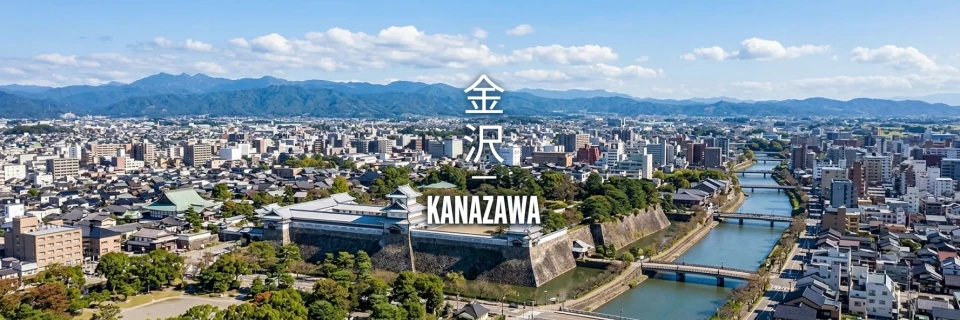
What to know
During the Edo Period (1603–1868), Kanazawa (金沢) was the seat of the Maeda Clan, the second most powerful feudal family after the Tokugawa in terms of rice production and domain size. As a result, Kanazawa flourished as a city of great cultural achievements, rivaling Kyoto and Edo (Tokyo).
Kanazawa was Japan's second-largest city (after Kyoto) to escape destruction by air raids during World War II. Consequently, parts of the old castle town, such as the Nagamachi samurai district and the chaya entertainment quarters, have survived in excellent condition.
Today, Kanazawa remains an important regional capital of Ishikawa Prefecture. The city boasts many historical attractions, including restored residences and districts, as well as modern museums. But Kanazawa's undisputed main attraction is Kenrokuen, one of Japan's "three best landscape gardens" and widely considered the most beautiful of them all.
Activities and attractions
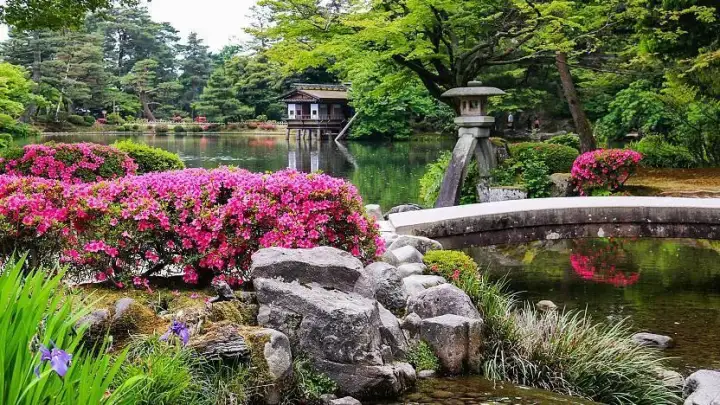 Kenrokuen GardenJapan’s most celebrated landscape garden
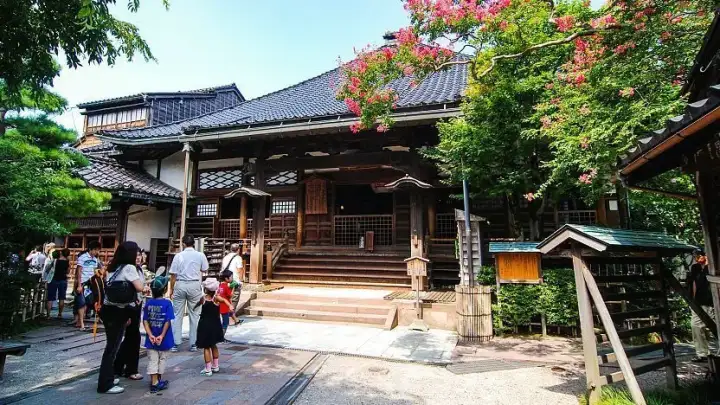 Ninjadera (Ninja Temple)Temple equipped with secret doors and traps
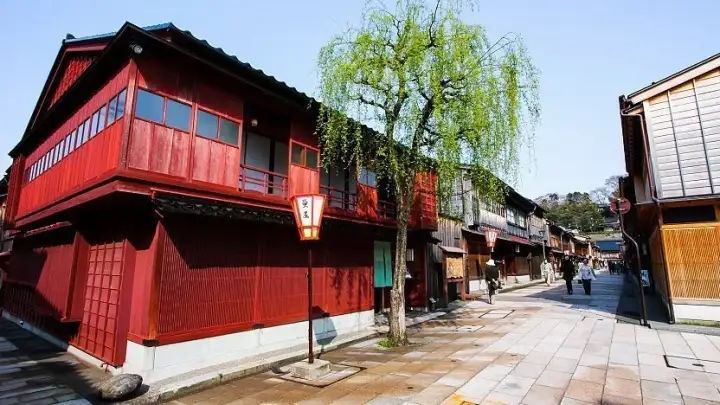 Higashi Chaya DistrictHistoric teahouse district where geisha entertain
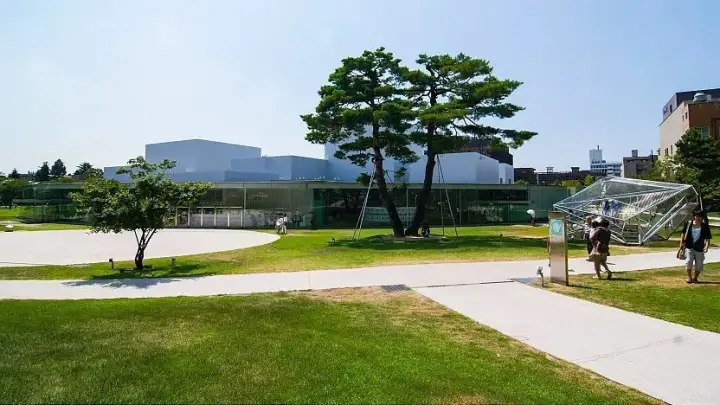 21st Century MuseumSpectacular contemporary art museum
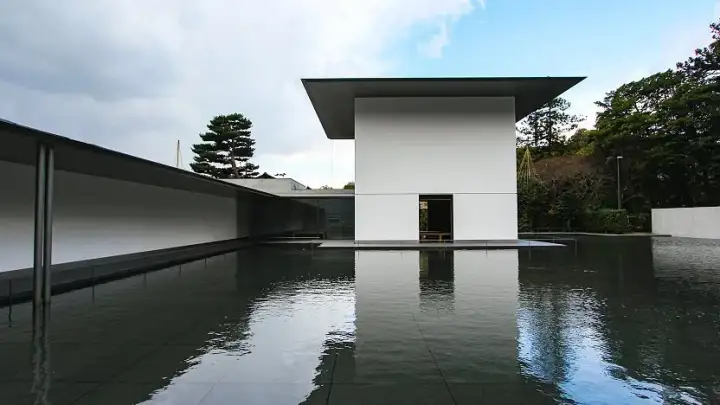 D.T. Suzuki MuseumIntriguing museum about the philosopher
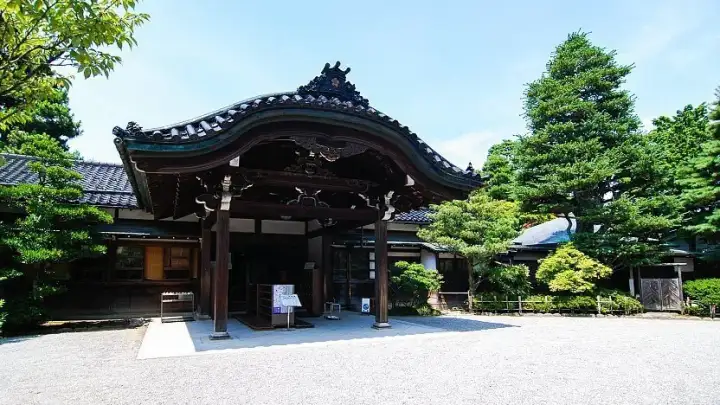 Seisonkaku VillaBeautiful Japanese villa next to Kenrokuen
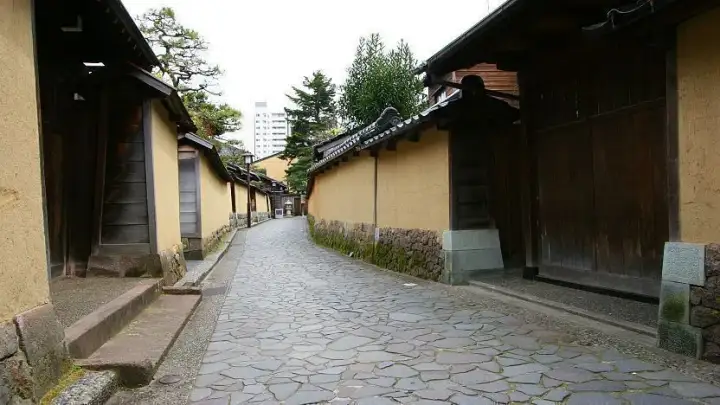 Nagamachi Samurai DistrictKanazawa’s former samurai district
 Omicho MarketBusy market near Kanazawa Station
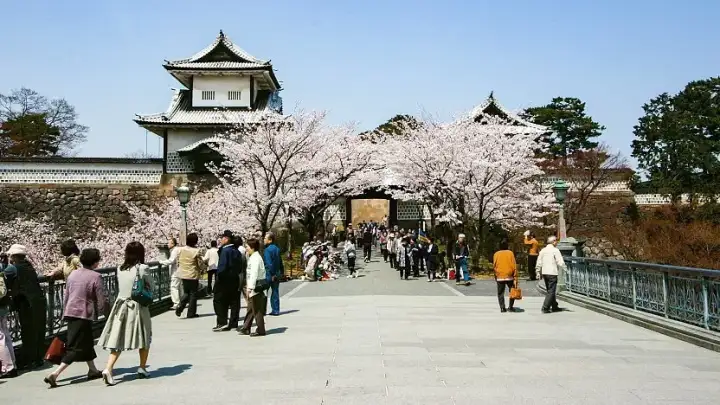 Kanazawa CastleSlowly being reconstructed
 Nishi Chaya DistrictA small geisha district near the Ninja Temple
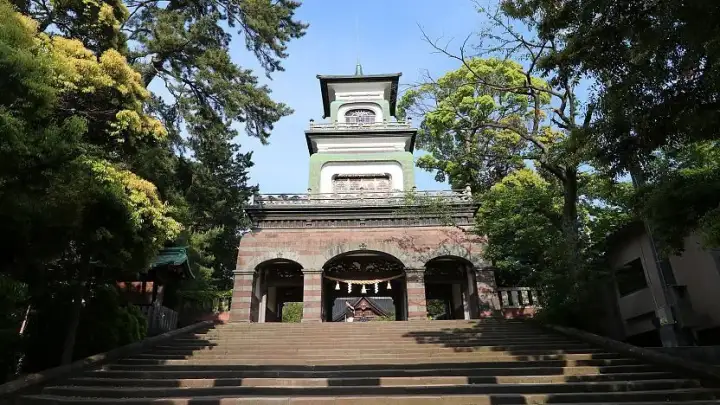 Oyama ShrineShrine dedicated to the former local lord
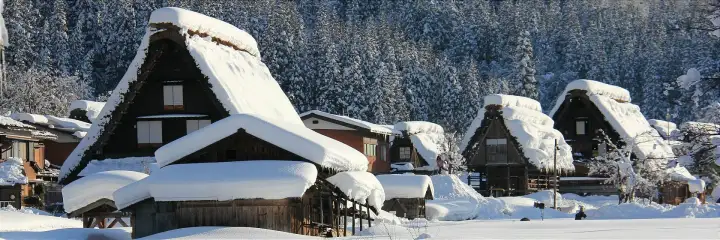 Shirakawa-go and GokayamaMountainous region, known for its farmhouses
 Noto PeninsulaRural peninsula with beautiful coastlines
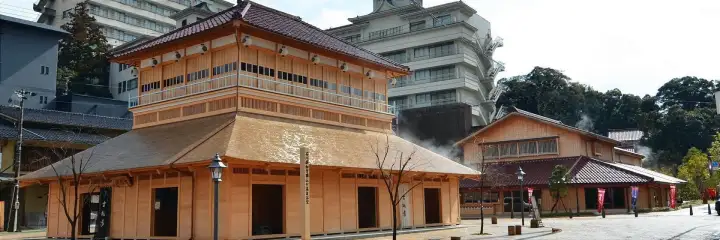 Kaga OnsenA collection of four historic hot spring towns