
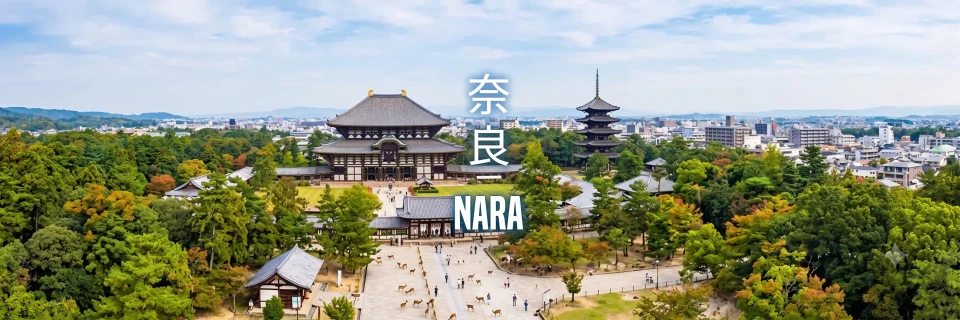
What to know
Japan's first permanent capital was founded in 710 at Heijo, the city now known as Nara (奈良). Before that, the capital moved each time a new emperor took the throne.
However, as the powerful Buddhist monasteries in the city grew politically ambitious and threatened the government, the capital was relocated from Nara to Nagaoka in 784 and then to Kyoto a few years later.
Nara lies less than an hour from Kyoto and Osaka. Thanks to its historical importance, the city brims with cultural treasures, including some of Japan's oldest and largest temples.
Activities and attractions
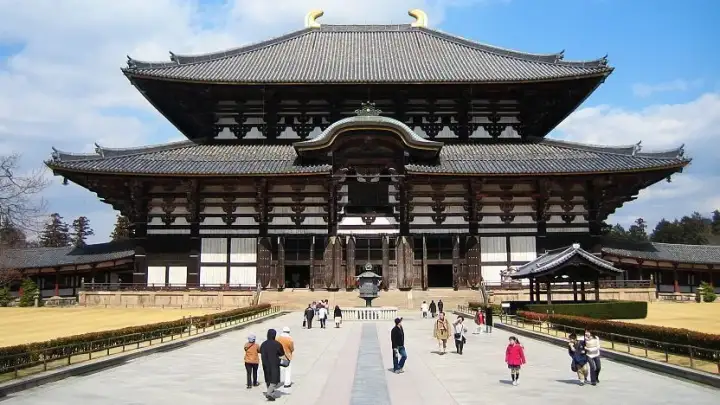 Todaiji TempleMassive temple with Japan's largest bronze Buddha
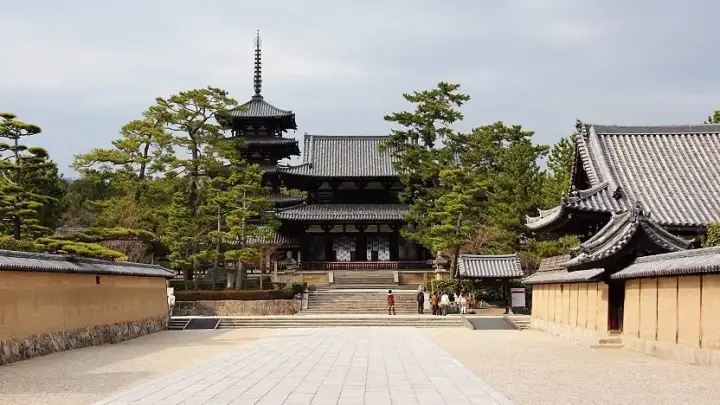 Horyuji TempleThe world’s oldest wooden buildings
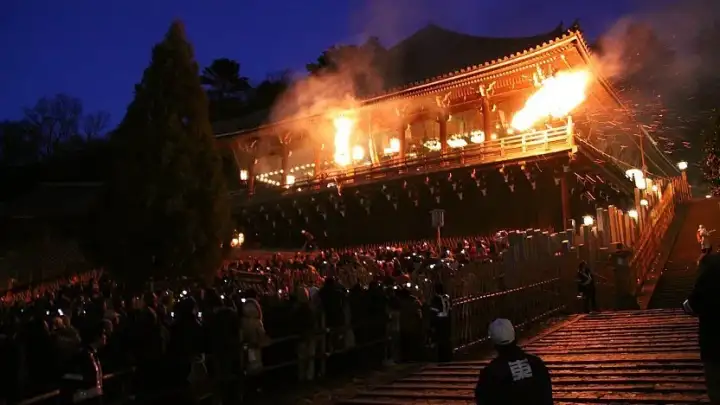 OmizutoriBuddhist ceremonies involving water and fire
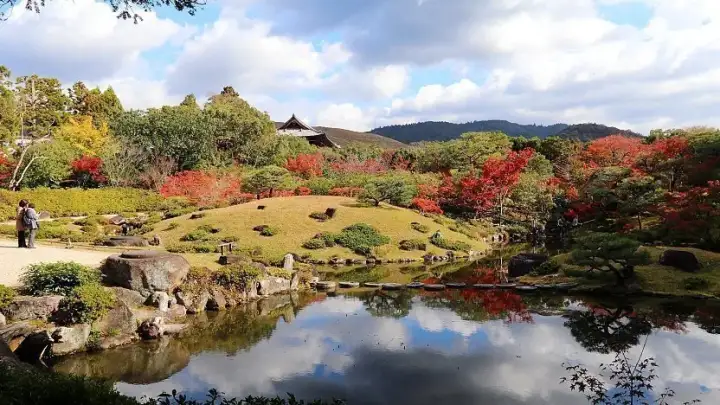 Isuien GardenSpacious Japanese garden near Todaiji
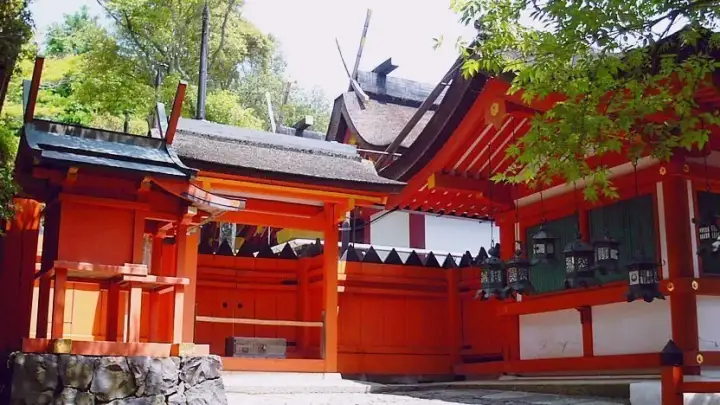 Kasuga TaishaNara’s most celebrated Shinto shrine
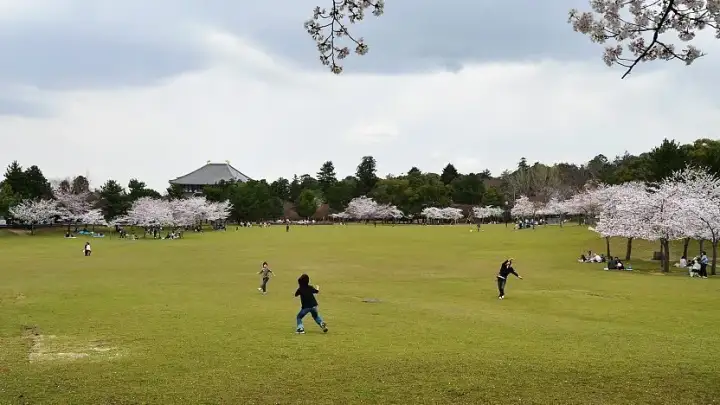 Nara ParkCentral city park with wild deer
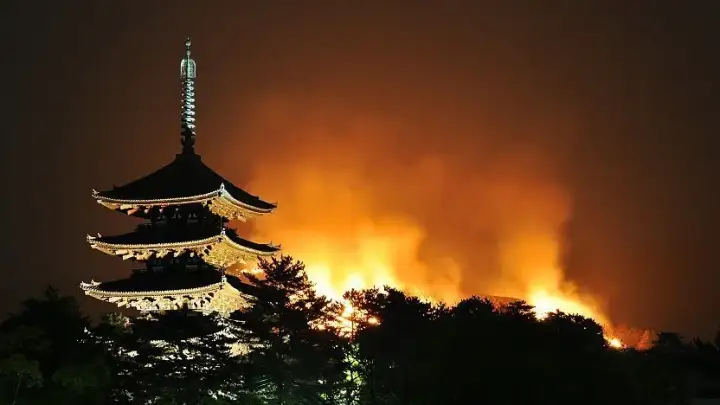 Wakakusa YamayakiAn entire mountain is set on fire
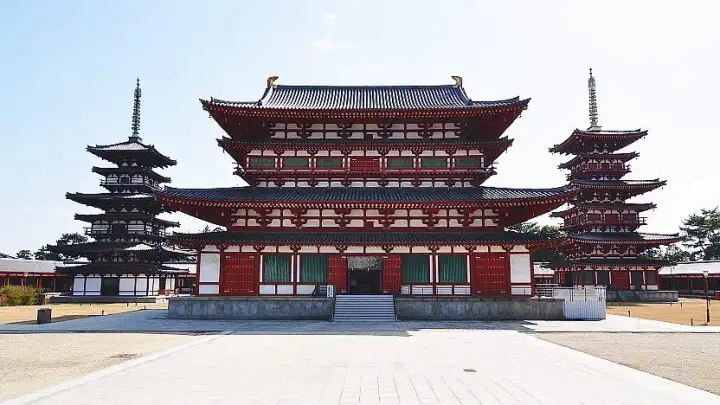 Yakushiji TempleLarge temple in western Nara
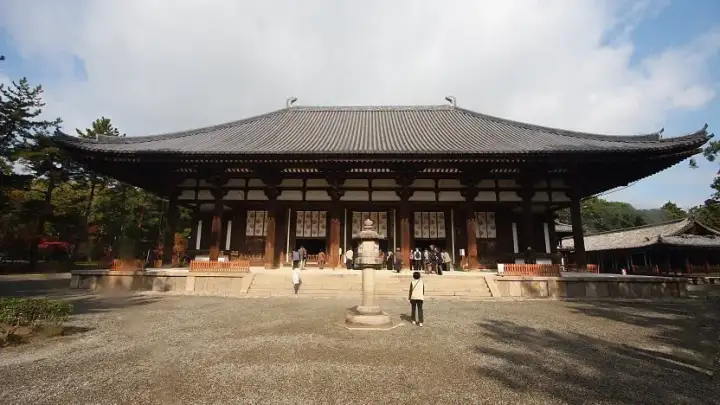 Toshodaiji TempleLarge temple in western Nara
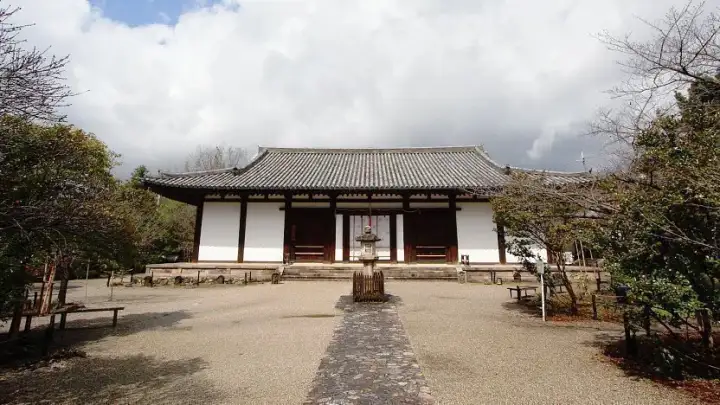 Shin-Yakushiji TempleWith beautiful statues of Yakushi and guardians
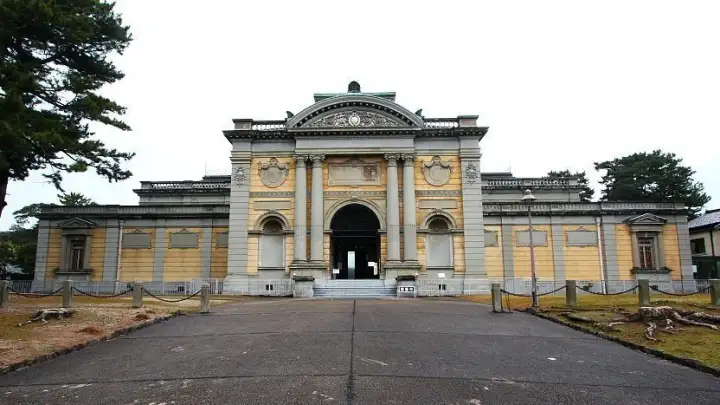 Nara National MuseumExcellent museum on Japanese Buddhist art
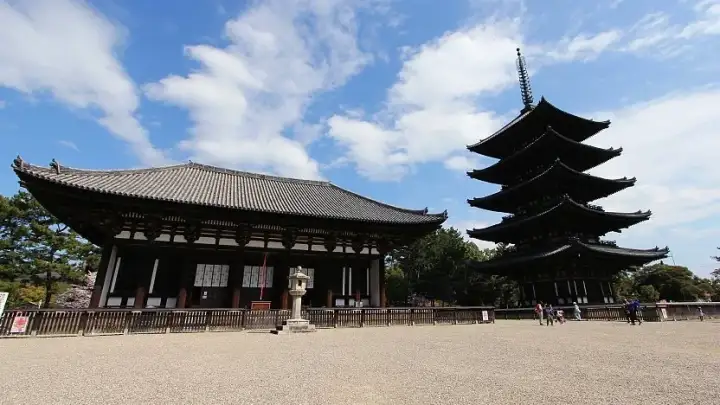 Kofukuji TempleFamily temple of the Fujiwara Clan
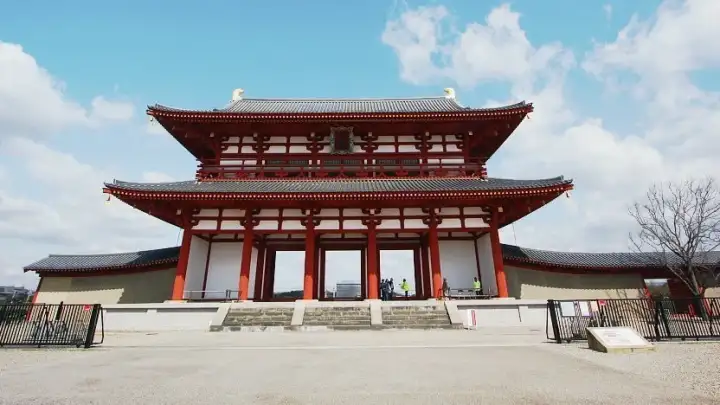 Heijo PalaceThe former site of Nara’s Imperial Palace
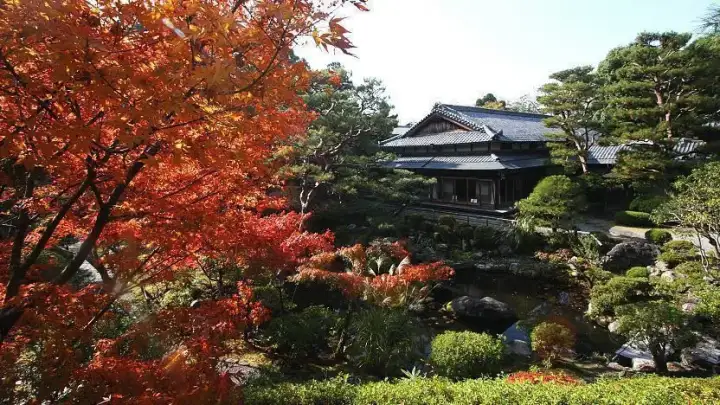 Yoshikien GardenConsisting of three distinct Japanese gardens
 NaramachiFormer merchant district with old houses
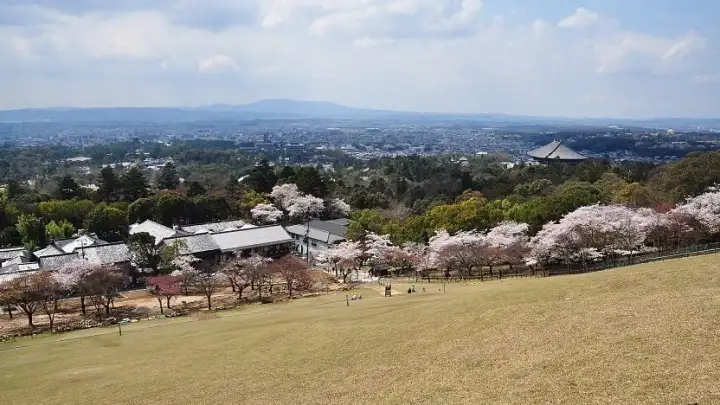 Mount WakakusayamaGrass-covered mountain behind Nara Park
 YoshinoJapan’s most famous cherry blossom spot
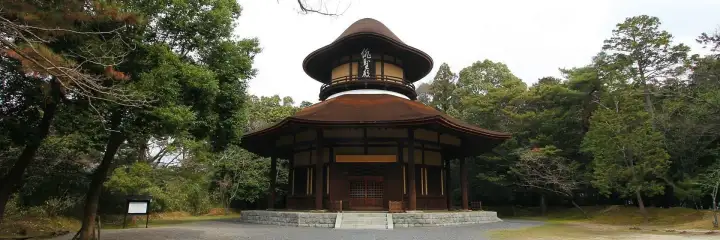 Iga UenoFormer castle town famous for ninja
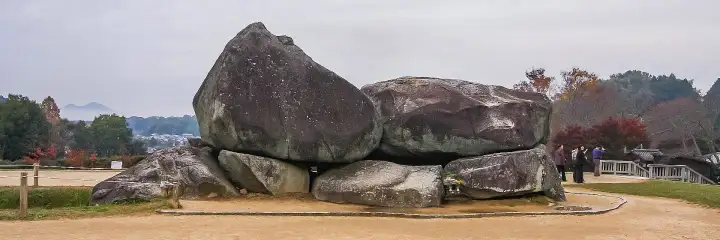 Asuka and SakuraiThe cradle of Japanese civilization