
What to know
The Iwaki Coal and Fossil Museum (also known as Horuru) celebrates the region's coal mining heritage. During the Meiji Period (1868–1912), vast coal deposits were discovered stretching from southeastern Fukushima to northeastern Ibaraki, an area called the Joban Coal Fields. Coal mining drove Iwaki's economy until the 1960s, when oil became Japan's primary energy source.
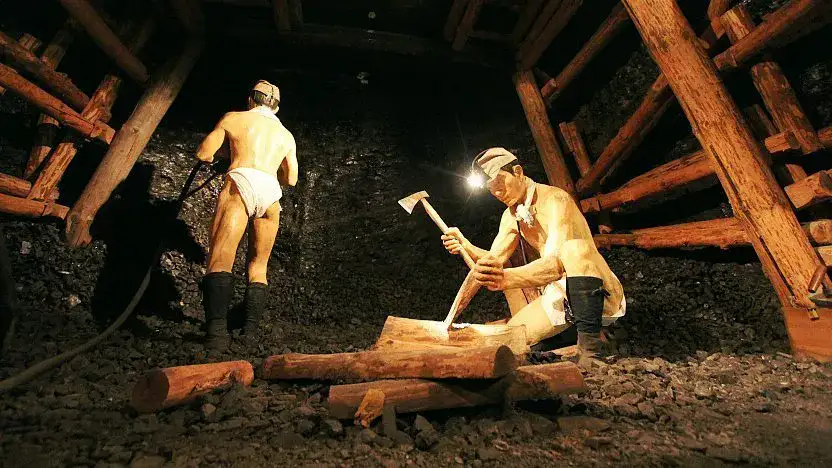
The museum recreates the experience of descending into a coal mine: a atmospheric elevator takes visitors down to a simulated mine, where they can learn about miners' working conditions in the past. Life-sized replicas of miners and tools show how coal was extracted over time, as technology improved mining methods.
The museum also boasts an extensive fossil collection from around the world. The Fossils Hall features impressive remains of dinosaurs and Jurassic creatures, including one discovered in Iwaki in 1968.
Complete skeletons of various dinosaurs and birds are on display, their enormous size making them awe-inspiring. A huge dinosaur skeleton stands in the center of the hall, the largest complete dinosaur fossil found in Asia.
The museum is a 10–15 minute walk from Yumoto Station.
Visitor information
Practical details to check before planning this stop.
- Hours
- 9:00 to 17:00 (last entry at 16:30)
- Closed
- Third Tuesday of every month (or following day if Tuesday is a national holiday), January 1
- Admission
- 660 yen (~$4.22)
- English name
- Original name
- Iwaki Coal and Fossil Museum
Verify details before visiting. Currency conversion is indicative and may vary over time.