
What to know
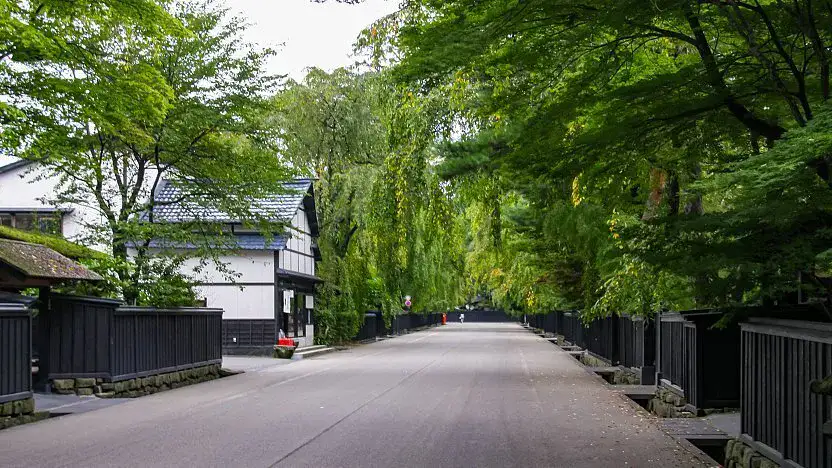
The Kakunodate samurai district, once home to about 80 samurai families, is one of Japan's finest examples of samurai architecture and town planning. Its broad streets and spacious courtyards are lined with dozens of weeping cherry trees that burst into bloom in early May, drawing hanami crowds.
Six of the original samurai houses are open to the public, offering a glimpse into the lives of middle-class and wealthy samurai families. Among them, the Aoyagi and Ishiguro houses stand out for their size and quality.
The Aoyagi House (Aoyagi-ke) is a sprawling complex with multiple buildings housing museum exhibits, restaurants, and souvenir shops. Displays cover samurai traditions, daily life, and Kakunodate's historical context, with information in both English and Japanese. It's a must-visit for anyone interested in samurai history.
The Ishiguro House (Ishiguro-ke) is smaller, as the family still lives in part of the residence. Visitors can see a collection of samurai armor, clothing, anatomical drawings, and a well-preserved storehouse.
The other four open houses are smaller, typical of middle-class samurai homes. Two additional museums may also interest visitors.
Kakunodate's former samurai district is a 20-minute walk or short taxi ride from JR Kakunodate Station, starting at the Yoko-machi intersection.
Visitor information
Practical details to check before planning this stop.
- Hours
- 9:00 to 17:00 (until 16:30 from December to March)
- Closed
- December 28 to January 4
- Admission
- 500 yen (~$3.2)
- English name
- Aoyagi Samurai Manor Museum
- Original name
- Samurai District
Verify details before visiting. Currency conversion is indicative and may vary over time.