
What to know
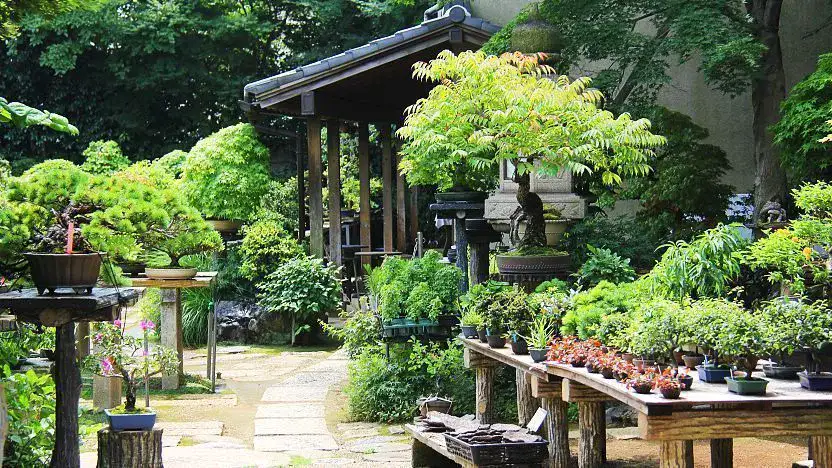
The Omiya Bonsai Village (大宮盆栽村, Ōmiya Bonsaimura) in Saitama City is a peaceful neighborhood located two train stations north of Omiya Station. Along the district's quiet paths, you'll find several bonsai nurseries and an excellent bonsai art museum. Private homes in the area often display bonsai in their gardens.
This village was established in 1925. After the Great Kanto Earthquake of 1923 devastated central Tokyo, bonsai nurseries and garden industry workers needed a new location. They chose Omiya for its clean water, available land, and favorable soil.
A wonderful addition in 2010 was the Omiya Bonsai Art Museum, which teaches visitors about the many facets of bonsai. English audio guides and well-written English descriptions clearly explain how to appreciate the art form and what to look for. The museum also showcases various bonsai styles and accompanying elements like pots and stones.
About half a dozen bonsai nurseries are scattered throughout the village. They welcome walk-in visitors but prohibit photography. They sell a wide selection of bonsai and related gardening tools. Nursery owners are usually happy to answer questions and appreciate any interest in bonsai. Both the nurseries and the bonsai museum are closed on Thursdays.
The Omiya Bonsai Village is located between Omiya Koen Station (5 minutes, 160 yen one way from Omiya Station on the Tobu Noda Line) and Toro Station (5 minutes, 160 yen one way from Omiya Station on the JR Utsunomiya Line).
Visitor information
Practical details to check before planning this stop.
- Hours
- 9:00 to 16:30 (until 16:00 from November to February)
- Closed
- Thursdays (except national holidays), New Year holidays
- Admission
- 310 yen (~$1.98) (additional 310 yen (~$1.98) for audio guide)
- English name
- Omiya Bonsai Art Museum
- Original name
- Omiya Bonsai Village
Verify details before visiting. Currency conversion is indicative and may vary over time.