
What to know
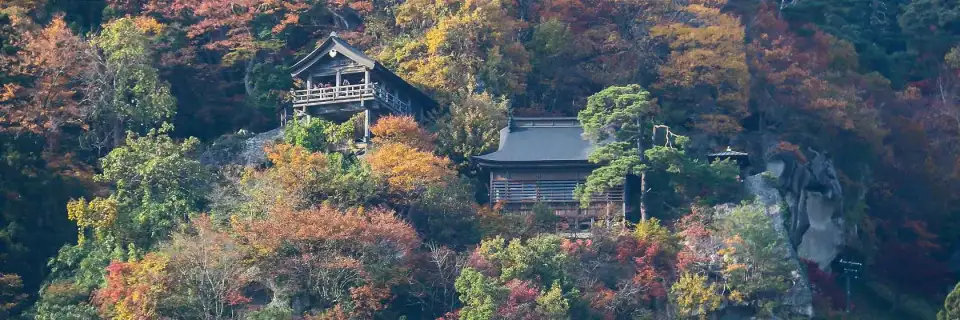
Yamadera (山寺) is a picturesque temple complex perched on a steep mountainside northeast of Yamagata City. Its official name is Risshakuji, and it belongs to the Tendai sect. Founded in 860, over a thousand years ago, the temple offers sweeping views of the valley below from its elevated grounds.
The mountain base is a five-minute walk from Yamadera Station, lined with shops and restaurants catering to visitors. A small visitor center sits just across the bridge on the way from the station to the temple.
During the early Heian Period (794–1185), Emperor Seiwa dispatched one of Japan's most revered Buddhist priests, Jikaku Daishi, to the frontier region of Tohoku. He founded Yamadera in what is now Yamagata Prefecture, then part of Dewa Province at the northern edge of the nation.
Yamadera is also famous for a visit by the poet Basho, who composed one of his most enduring haiku here during his journey through northern Japan in the late 1600s. The poem captures the stillness and silence of the area. Today, a statue of Basho and a stone inscription of his poem stand in the lower temple grounds.
Several temple buildings cluster around the mountain base, including Konponchudo Hall, Yamadera's main hall. This beech-wood structure is the temple's oldest, housing Buddhist statues and a flame said to have been burning since the temple's founding. The flame was brought from Enryakuji Temple in Kyoto, the head temple of the Tendai sect. Nearby, a small treasure house charges a separate admission fee.
To reach the upper temple area, visitors hike a trail up the mountainside—a 30-minute ascent starting after the Sanmon Gate, a couple of minutes' walk from the main hall, where a small entry fee is required.
Visitor information
Practical details to check before planning this stop.
- Hours
- 8:00 to 16:00 (April to November)
- Closed
- No closing days
- Admission
- 500 yen (~$3.2) (upper area); 200 yen (~$1.28) (treasure house)
- English name
- Original name
- Yamadera Temple
Verify details before visiting. Currency conversion is indicative and may vary over time.