
What to know
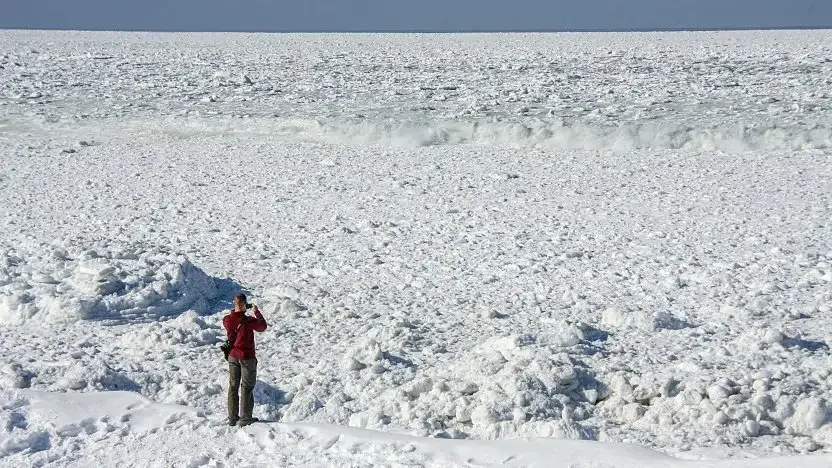
Hokkaido's northeastern coast, including the Shiretoko Peninsula, is the southernmost place in the northern hemisphere where drifting sea ice (ryūhyō) appears in winter. The ice drifts across the Sea of Okhotsk from northeastern Russia, typically reaching the peninsula by late January and melting by early April. The best time to see the ice is usually the second half of February.
When conditions are good, you can spot drift ice from the coastal road on the peninsula's western side. For a closer experience, join a drift ice tour from Utoro, such as an "ice walk" where you wear a dry suit and walk on the ice with a guide. If the ice is thin, the tour may involve more swimming than walking. Tours last about two hours, cost 7,000 to 12,000 yen, and can be booked through your hotel or websites like Klook.
Rausu, on the eastern coast, usually gets less drift ice than Utoro. However, from late January to early March, drift ice and birdwatching cruises operate (1 hour for 5,000 yen, or 2.5 hours for 12,000 yen, or 9,000 yen if you bring an SLR camera). These cruises offer sightings of seabirds, including eagles.
How to get to and around Shiretoko National Park
Visitor information
Practical details to check before planning this stop.
- Hours
- Closed
- Admission
- English name
- Original name
- Shiretoko Drift Ice (Ryuhyo)
Verify details before visiting. Currency conversion is indicative and may vary over time.