
What to know
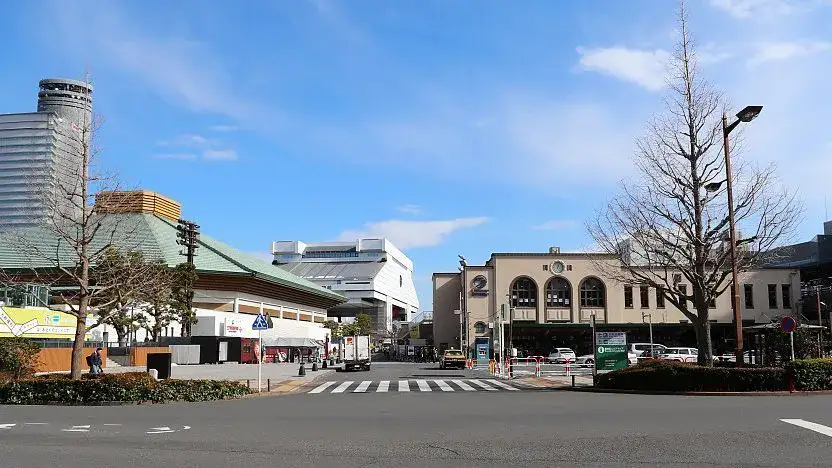
Ryogoku (両国, Ryōgoku) is the undisputed heart of the sumo world. This Tokyo district is home to the sumo stadium, numerous sumo stables, chanko restaurants, and other sumo-related attractions. Sumo events have been held here for centuries. Until the early 1900s, tournaments took place outdoors at shrines and temples. In 1909, the first permanent sumo hall was built in Ryogoku. The current Kokugikan, the fourth sumo arena in Tokyo, has been in use since 1985. It seats over 10,000 spectators and hosts three of the six annual sumo tournaments (January, May, and September).
Sumo stables are where wrestlers live and train. Many of the several dozen active stables are located in Ryogoku. Some allow visitors to watch morning practice, but most require advance reservations by phone, and some request that guests be accompanied by a Japanese speaker.
Chanko nabe is the staple food of sumo wrestlers. This hot pot dish comes in many varieties and includes vegetables, seafood, and meat. Several restaurants in Ryogoku serve chanko nabe, many run by retired wrestlers.
Other attractions within walking distance of Ryogoku Station and the sumo stadium include the excellent Edo-Tokyo Museum (covering Tokyo's history and culture), the Sumida Hokusai Museum (one of Japan's best ukiyo-e museums), and Yokoamicho Park, which commemorates two of Tokyo's most devastating 20th-century events: the 1923 Great Kanto Earthquake and the World War II fire bombings.
Take the JR Sobu Line or Toei Oedo Subway Line to Ryogoku Station.
Visitor information
Practical details to check before planning this stop.
- Hours
- 12:30 to 16:00 (last entry at 15:30)
- Closed
- Weekends, national holidays, and between exhibitions
- Admission
- Free
- English name
- Nihon Sumo Kyokai
- Original name
- Ryogoku
Verify details before visiting. Currency conversion is indicative and may vary over time.