
What to know
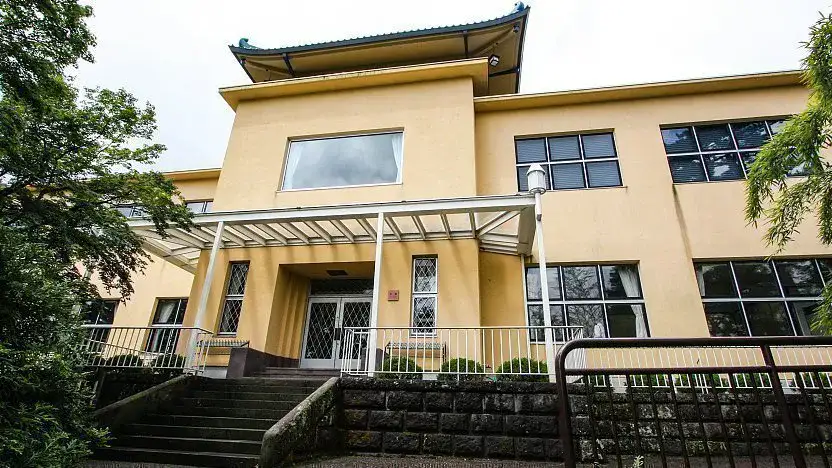
The Hakone Museum of Art (箱根美術館, Hakone Bijutsukan) is located in Gora and was founded by Okada Mokichi in 1952. Its sister museum, the MOA Museum of Art, was later built in Atami City on the Izu Peninsula.
The museum primarily showcases Japanese ceramics from prehistoric times through the Edo Period (1600-1868). Highlights include large earthenware and ceramic vessels, such as a haniwa burial statue designated as an Important Cultural Property.
The museum is also home to a charming moss garden, where stone paths wind through the shade of maple trees. The garden beautifully reflects the seasons, with brilliant autumn colors in November and vibrant greens in spring. A teahouse offers green tea for a small fee.
In addition to the moss garden, the grounds feature a Japanese landscape garden called Sekirakuen Garden. It spreads across the slopes of Gora, with large decorative stones, a mountain stream, and views over the valley and mountains.
The museum sits on the slopes of Gora, just above Gora Park. It is a three-minute walk from Koenkami Station on the Hakone Tozan Cablecar between Gora and Sounzan, or a ten-minute uphill walk from Gora Station.
Visitor information
Practical details to check before planning this stop.
- Hours
- 9:30 to 16:30 (until 16:00 December to March)
- Closed
- Thursdays (except on national holidays), New Year holidays and during exhibition changes
- Admission
- 1430 yen (~$9.15) (200 yen (~$1.28) off with the Hakone Free Pass)
- English name
- Hakone Art Museum
- Original name
- Hakone Museum of Art
Verify details before visiting. Currency conversion is indicative and may vary over time.