
What to know
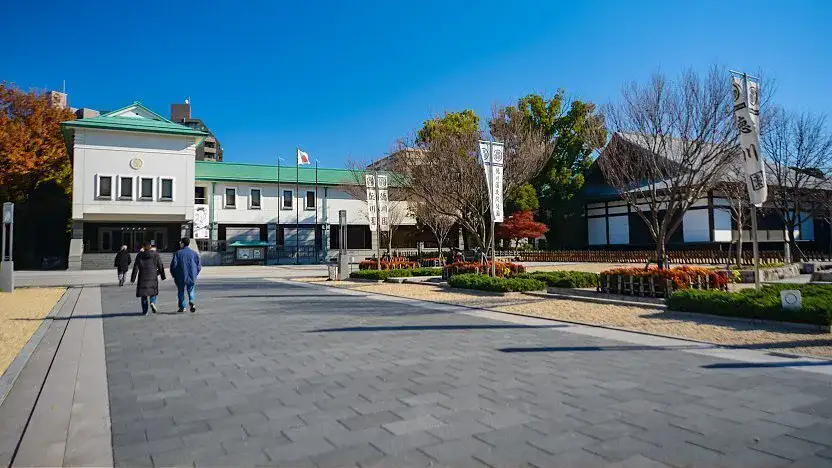
During the Edo Period (1603–1868), Nagoya was the seat of the Owari clan, one of the three major branches of the ruling Tokugawa family. The clan amassed wealth second only to four of the 200 feudal domains. The Tokugawa Art Museum (徳川美術館, Tokugawa Bijutsukan) stands on the grounds of the former Owari residence, preserving and displaying treasures such as samurai armor, swords, tea utensils, noh masks and costumes, poems, scrolls, and maps.
Adjacent to the museum lies Tokugawa-en, a beautiful Japanese landscape garden centered on a large pond. Originally part of a retired lord's residence, the garden was destroyed in the war and restored in 2004. Walking trails wind past a tea house, rest houses, and several bridges. The garden is at its best in spring when peonies (mid to late April) and irises (late May to early June) bloom, and during autumn (November).
The museum is a ten-minute walk from Ozone Station, served by the JR Chuo Line, Meijo Subway Line, and Meitetsu Seto Line. Ozone Station connects directly to Nagoya Station via the frequent JR Chuo Line (12 minutes, 210 yen one way).
Alternatively, the museum is on the Meguru loop bus route for tourists, about 35 minutes from Nagoya Station or 15 minutes from Nagoya Castle. Fare is 210 yen per ride or 500 yen for a day pass.
Visitor information
Practical details to check before planning this stop.
- Hours
- 10:00 to 17:00 (entry until 16:30)
- Closed
- Mondays (or following day if Monday is a national holiday)
- Admission
- 1600 yen (~$10.24) (museum only), 1750 yen (~$11.2) (museum and garden)
- English name
- Tokugawa Art Museum
- Original name
- Tokugawa Art Museum
Verify details before visiting. Currency conversion is indicative and may vary over time.