
What to know
Shinjuku (新宿) is one of Tokyo's 23 city wards, but the name usually refers to the vast entertainment, business, and shopping area around Shinjuku Station.
Shinjuku Station is the busiest railway station in the world, handling over two million passengers daily. It is served by about a dozen railway and subway lines, including the JR Yamanote Line. Shinjuku is also a major hub for long-distance highway buses, with a large bus terminal called Busta Shinjuku conveniently located atop the station.
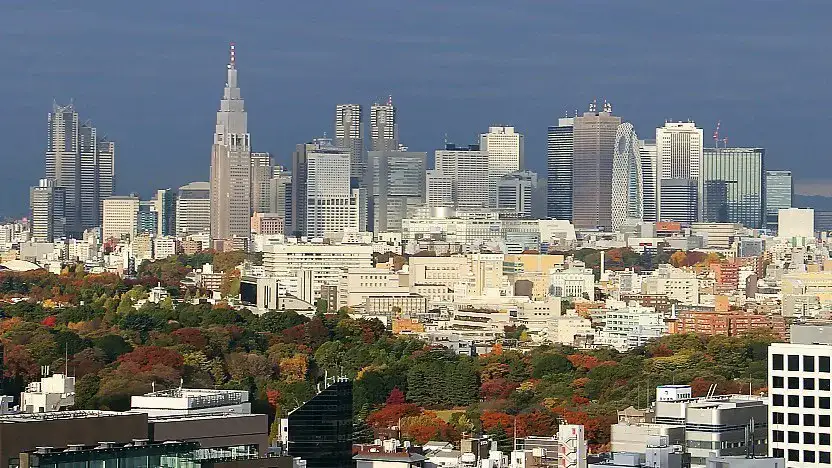
West of the station lies Shinjuku's skyscraper district, home to some of Tokyo's tallest buildings, including several top hotels and the twin towers of the Metropolitan Government Office, whose observation decks are free and open to the public. However, the west exit is currently undergoing redevelopment, affecting pedestrian traffic flow. A new station building with a 260-meter-tall skyscraper is planned for completion by 2029 or 2030.
Northeast of the station is Kabukicho, Japan's largest and wildest red-light district, while department stores, underground malls, and electronics shops surround Shinjuku Station on all four sides, including the redeveloped Southern Terrace.
Shinjuku Station is Japan's busiest railway station, served by about a dozen railway lines, including the JR Yamanote Line.
The frequent orange trains on the JR Chuo Line (Rapid Service) take less than 15 minutes and cost 260 yen from Tokyo Station to Shinjuku Station.
Visitor information
Practical details to check before planning this stop.
- Hours
- Typically from 19:00 or 20:00 until the next morning
- Closed
- Some establishments are closed on Sundays
- Admission
- Free
- English name
- Omoide Yokocho
- Original name
- Shinjuku
Verify details before visiting. Currency conversion is indicative and may vary over time.