
What to know
Inujima (literally "dog island") is a small island off Okayama in the Seto Inland Sea, named after a rock that resembles a sitting dog. Like nearby Naoshima, Inujima has become a contemporary art hub and a venue for the Setouchi Triennale. Its small size makes it easy to explore on foot.
Before its art transformation, Inujima was an industrial site. In feudal times, it supplied granite for castle construction. In the early 20th century, a copper refinery was built to boost the island's economy, but falling copper prices forced its closure within a decade, leading to population decline.
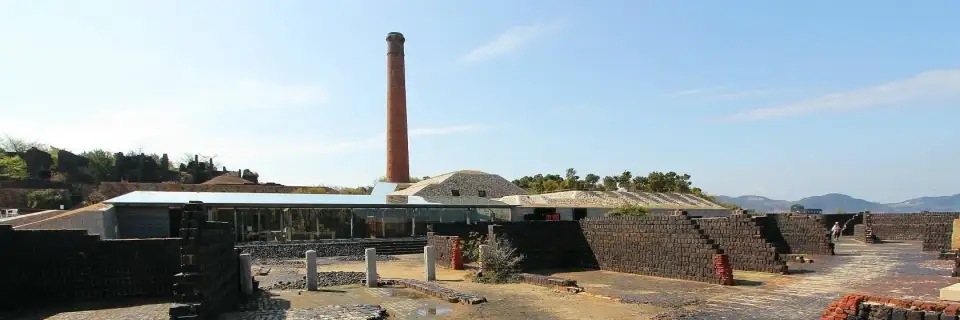
The refinery ruins were left untouched and now define Inujima's landscape. Designated as an industrial modernization heritage site, visitors can explore the exposed brick walls, overgrown power plant, and crumbling smokestacks.
In 2008, the ruins became the Inujima Seirensho Art Museum ("seirensho" means refinery). The museum integrates an art gallery into the ruins, mostly underground, using local granite and recycled bricks. Highlights include a mirror tunnel and an installation featuring pieces of novelist Mishima Yukio's former home suspended in midair.
Admission tickets are sold at the Inujima Ticket Center near the ferry terminal, a 200-meter walk from the refinery. Previously requiring advance reservations for guided tours, the museum now allows individual visits without prior booking.
The rest of the island is a small rural village with about 100 residents. Scattered throughout are five galleries of the Inujima Art House Project, originally built for past art festivals and now permanent attractions. A 1-2 hour walk through narrow lanes covers them all.
Dining, shopping, and lodging are very limited. A few small restaurants near the port include a cafe in the Ticket Center. The Seirensho Art Museum also has a cafe, but it may close outside summer even when the museum is open. A beach with a campground is a 10-minute walk from the ferry terminal on the opposite side.
A ferry runs from Hoden Port to Inujima every 1-3 hours (10 minutes, 400 yen one way; see timetable). However, Hoden Port is only accessible by public transport on select days when a bus runs from Okayama Station (60 minutes, 880 yen one way). Public parking is available near the port.