
What to know
Rikuzentakata (陸前高田) in southern Iwate Prefecture was among the cities hardest hit by the 2011 tsunami. Its city center was virtually wiped off the map as 13-meter-high waves swept away the vast majority of buildings and homes.
Today, the former city center has been raised by over ten meters, and reconstruction has progressed significantly. The city also boasts one of the best memorial museums and parks along the coast.
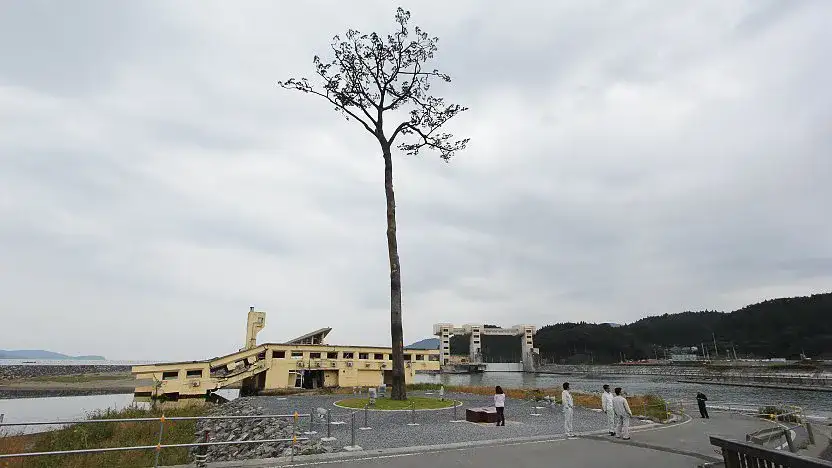
Before the earthquake, Rikuzentakata was famous for the Takata Matsubara, a two-kilometer stretch of shoreline lined with some 70,000 pine trees. This beautiful tree-lined coast was ranked among Japan's top 100 landscapes. Unfortunately, the tsunami washed away all but one of the pines.
The sole survivor, a 27-meter-tall, 200-year-old tree, was dubbed the Miracle Pine and became a symbol of resilience and perseverance. Sadly, the tree eventually died 18 months later from salt toxicity. It was temporarily removed, then preserved and reinstalled as a memorial to the disaster victims.
The Miracle Pine now stands in a memorial park along the city's waterfront. Also in the park is the Iwate Tsunami Memorial, an excellent museum about the tsunami, which opened to the public in September 2019.
From Ichinoseki Station (150 minutes, about 13,000 yen by JR Tohoku Shinkansen from Tokyo), take the JR Ofunato Line to Kesennuma (about 80 minutes) and change to the JR bus to Rikuzentakata (about 30 minutes). With good connections, the one-way trip from Ichinoseki to Rikuzentakata takes about two hours and costs 1,660 yen. The trip is covered by the Japan Rail Pass and other JR passes covering the Tohoku Region. There are connections every 1-2 hours.
Visitor information
Practical details to check before planning this stop.
- Hours
- Closed
- Admission
- English name
- Original name
- Rikuzentakata
Verify details before visiting. Currency conversion is indicative and may vary over time.