
What to know
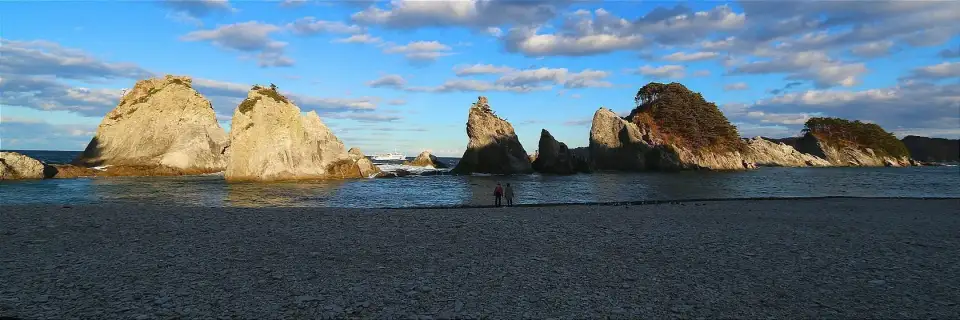
The Sanriku Coast (三陸海岸, Sanriku Kaigan) is a rugged, scenic shoreline stretching over 300 kilometers along the Pacific side of Tohoku Region, crossing Aomori, Iwate, and Miyagi prefectures. Its countless bays, cliffs, and coves have long drawn tourists, and much of it is protected as Sanriku Recovery National Park.
This coast has suffered major tsunamis throughout history. On March 11, 2011, Japan's strongest recorded earthquake triggered a massive tsunami that devastated the northeastern Pacific coast, especially the Sanriku area. About 20,000 people died, and tens of thousands of buildings were destroyed. Entire city districts vanished, and some towns were nearly wiped out.
Reconstruction is well underway but continues. Many attractions reopened within months of the disaster. Tourism is seen as a key way to revive the region and ensure the tragedy is not forgotten.
Activities and attractions
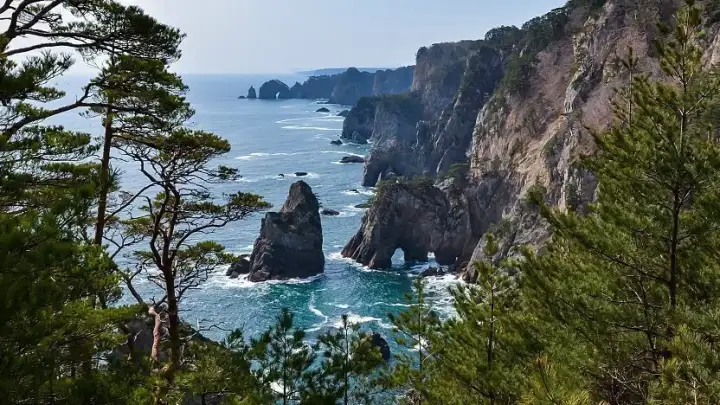 Kitayamazaki CoastMost spectacular section of the Sanriku Coast
 Tashiro IslandSmall, rural island with a large cat population
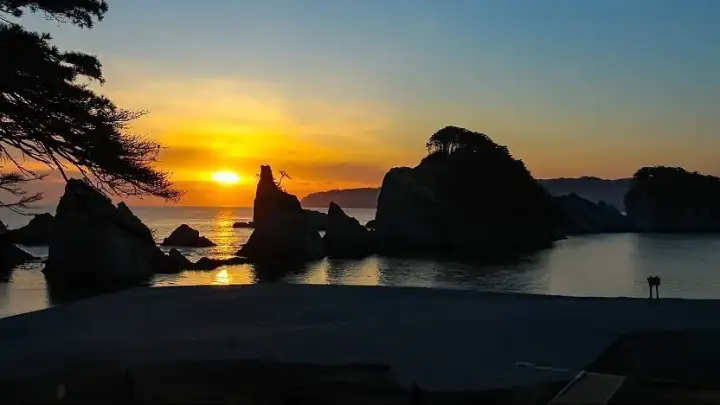 Jodogahama BeachBeautiful beach on a nice peninsula
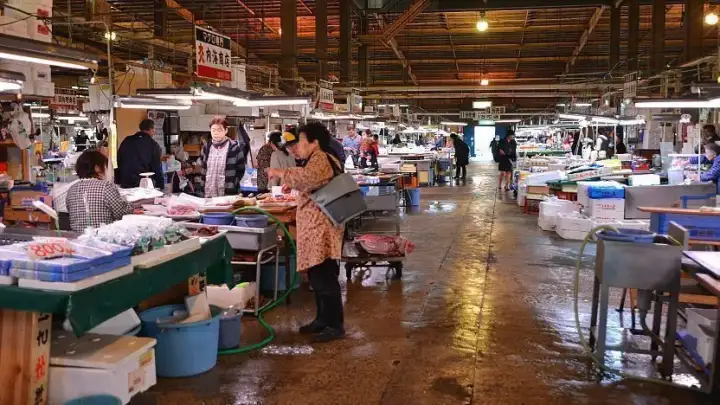 Shiogama Fish MarketA large fish market open to visiting tourists
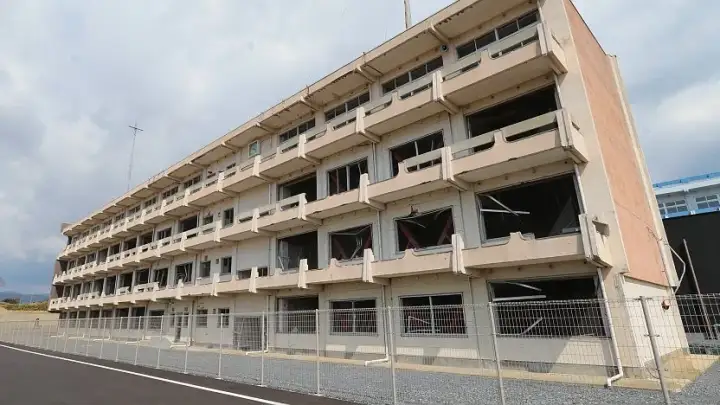 Kesennuma City Memorial MuseumTsunami-hit high school turned into a museum
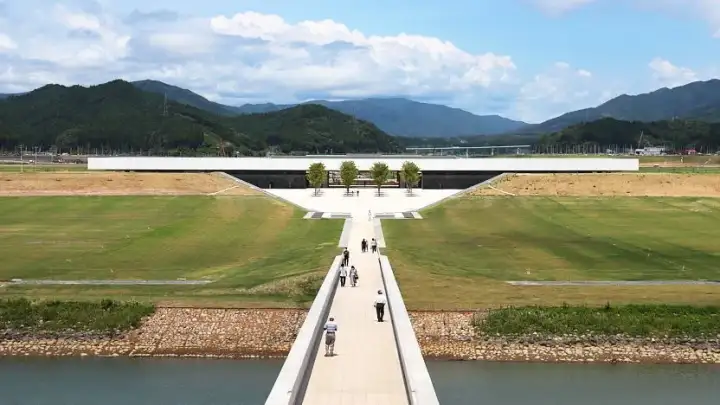 Iwate Tsunami MemorialExcellent museum about the 2011 tsunami
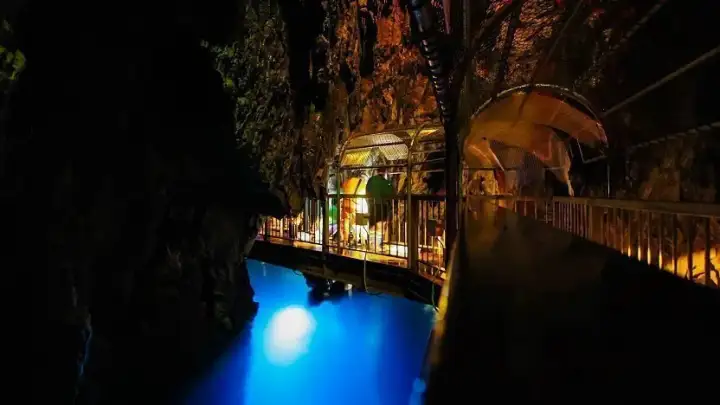 Ryusendo CaveOne of Japan’s best limestone caves
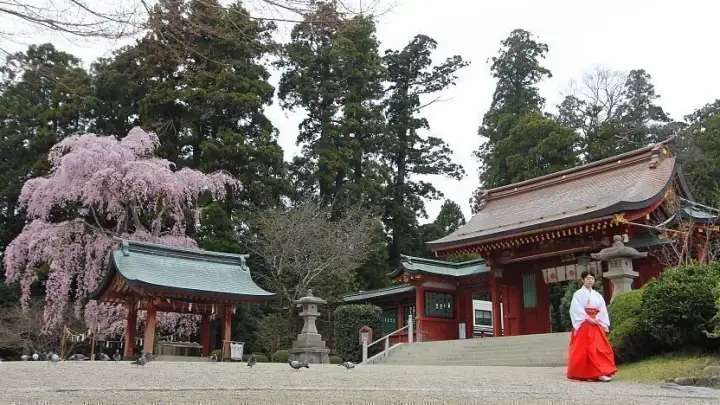 Shiogama ShrineOne of the region’s most important shrines
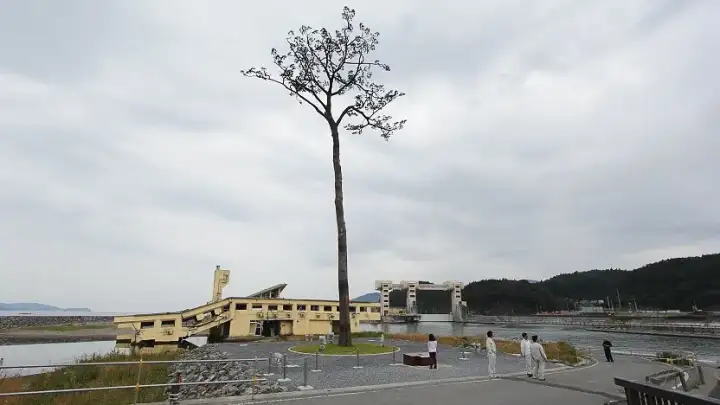 RikuzentakataHome city of the miracle pine tree
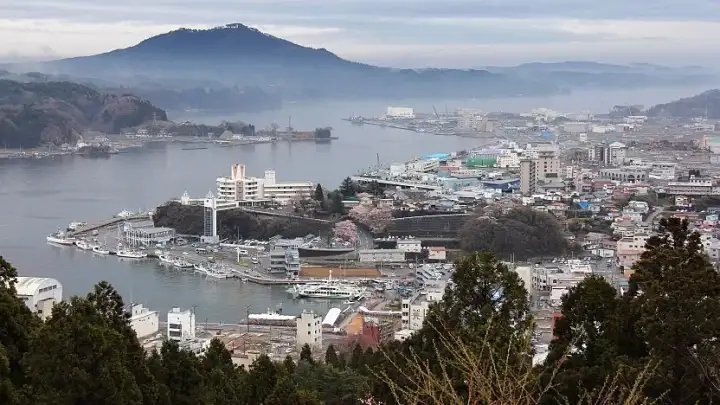 KesennumaFishing port town heavily hit by the tsunami
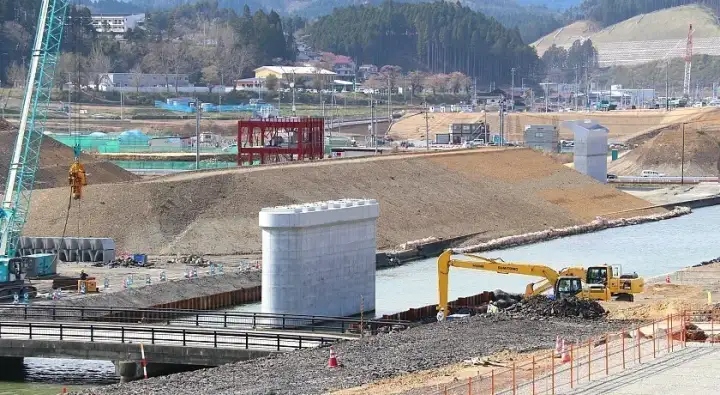 MinamisanrikuOne of the worst hit towns along the coast
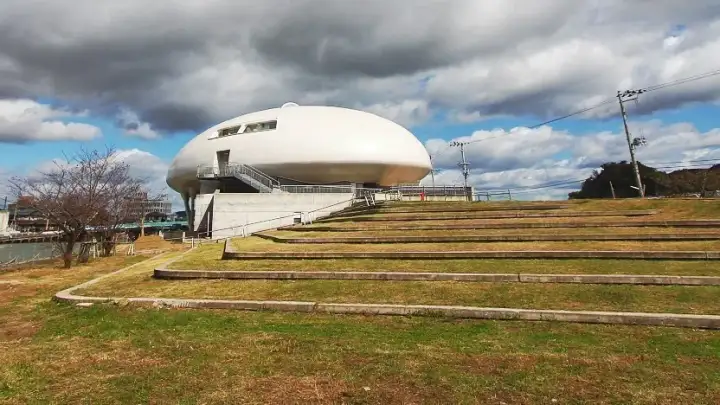 Ishinomori Manga MuseumCommemorating manga artist Ishinomori Shotaro
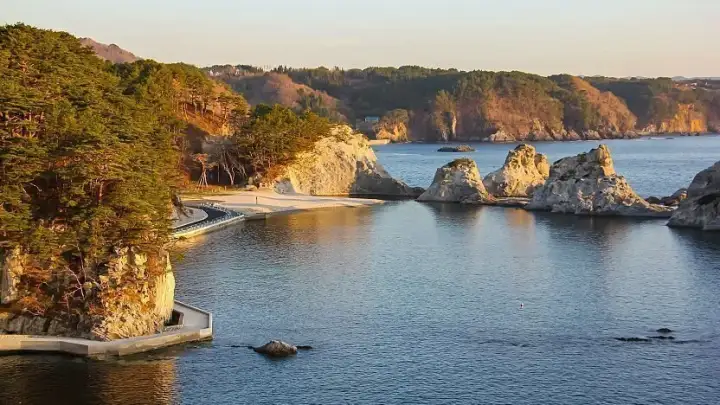 MiyakoPort city known for its Jodogahama Beach
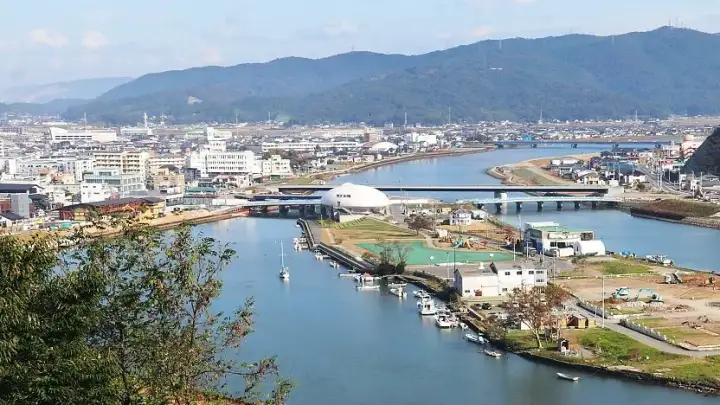 IshinomakiPort city badly affected by the tsunami
 KamaishiThe birthplace of the iron industry in Japan
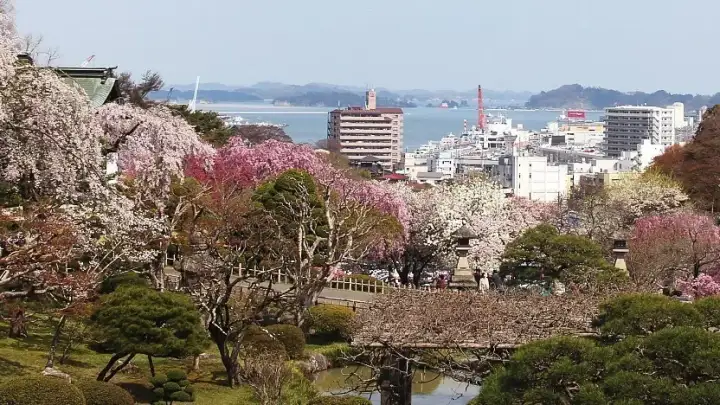 ShiogamaFishing town between Sendai and Matsushima
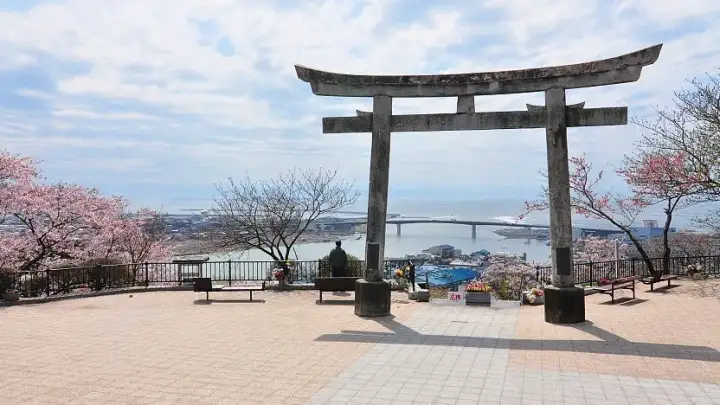 Hiyoriyama ParkHilltop park in central Ishinomaki City
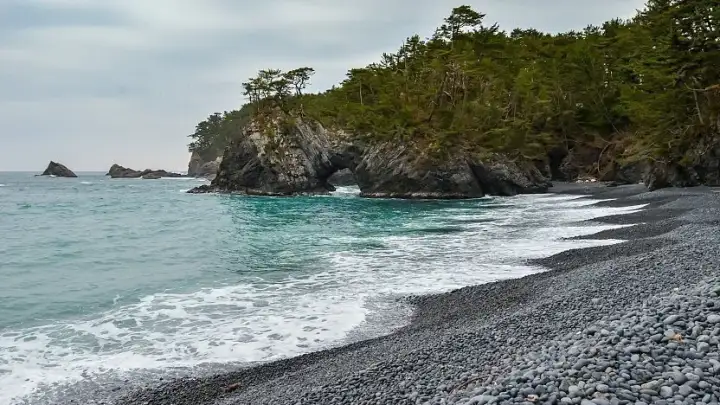 Goishi CoastScenic coastline south of Ofunato
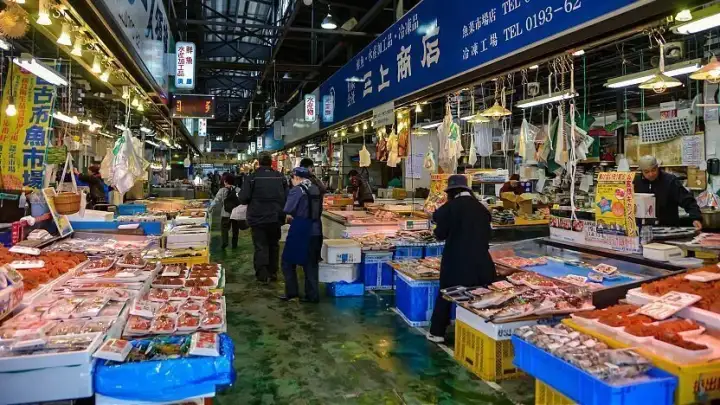 Miyako Fish MarketPublic market for fresh seafood and produce
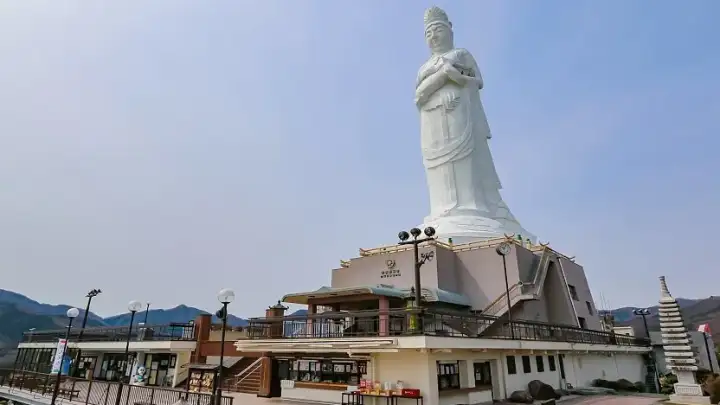 Kamaishi DaikannonRoughly 50 meter tall statue of Kannon
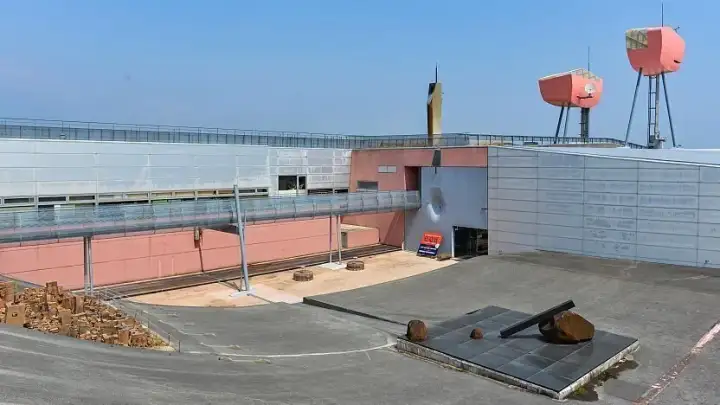 Rias Ark Museum of ArtContemporary art and history museum
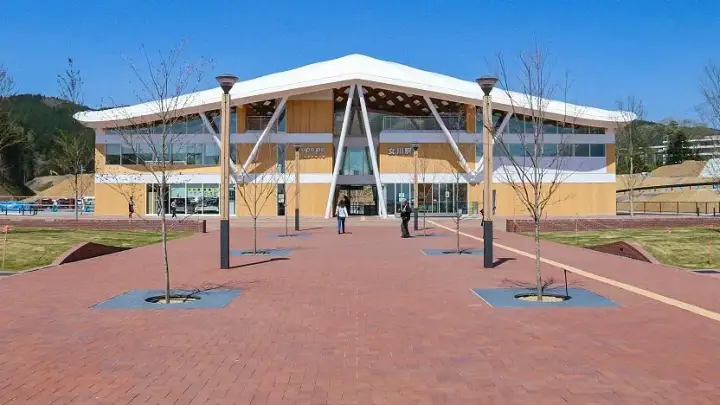 OnagawaPort town badly hit by the tsunami
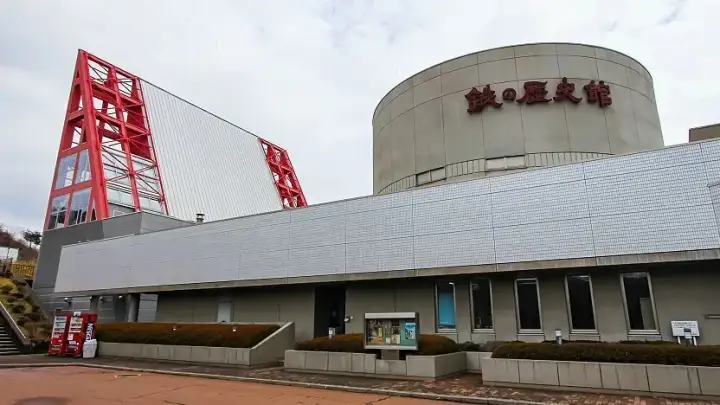 Iron History MuseumDedicated to the local iron and steel industry
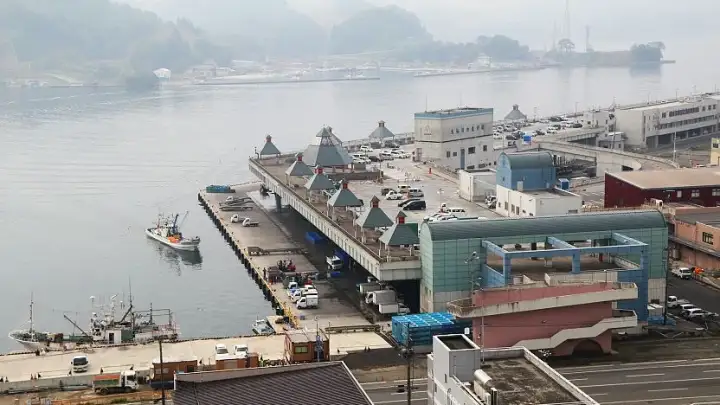 Kesennuma Fish MarketOne of Japan’s largest fish markets
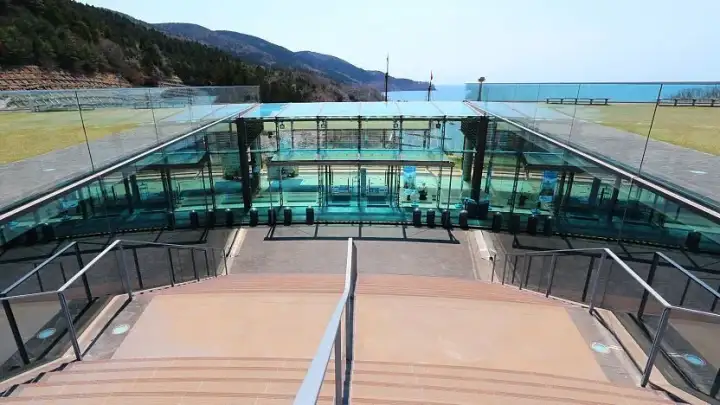 Sant Juan Bautista MuseumAbout a locally built Spanish-style galleon