
What to know
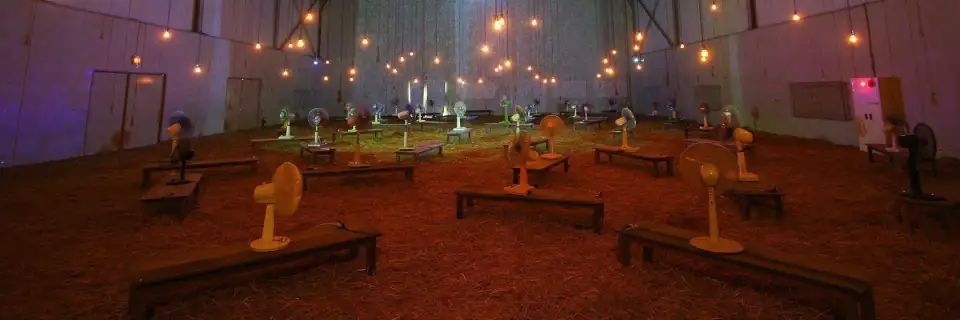
The rural Echigo-Tsumari region in Niigata Prefecture boasts over a hundred captivating modern art installations spread across its 760 square kilometer landscape. Created by Japanese and international artists, these works are designed to blend with the local environment and culture. You'll find them in towns, villages, abandoned buildings, schools, and even among the region's iconic rice fields.
Every three years, the Echigo Tsumari Art Triennale takes over the region for a few weeks in summer. The next edition is scheduled for 2027. During these festivals, 100 to 200 new art pieces are added to the permanent collection. The first triennale in 2000 was part of a successful revitalization plan to attract visitors to an area struggling with depopulation and natural disasters. Smaller festivals occur between triennials.
Beyond the art, Echigo-Tsumari offers stunning rural scenery of terraced rice fields, forested hills, and small villages. Agriculture still dominates the landscape, making it an ideal place to experience "satoyama"—the traditional lifestyle of living in harmony with nature.
However, the region faces serious challenges, including a rapidly aging population and significant depopulation as young people leave for milder winters and better opportunities in cities. The 2004 Chuetsu earthquake also caused severe damage, killing 39 people and injuring thousands. One goal of the art field is to revitalize the area by attracting visitors and involving locals in sustainable tourism.