
What to know
Saihoji (西芳寺, Saihōji), better known as Kokedera (苔寺), is a UNESCO World Heritage Site in Kyoto. Entry requires advance reservation.
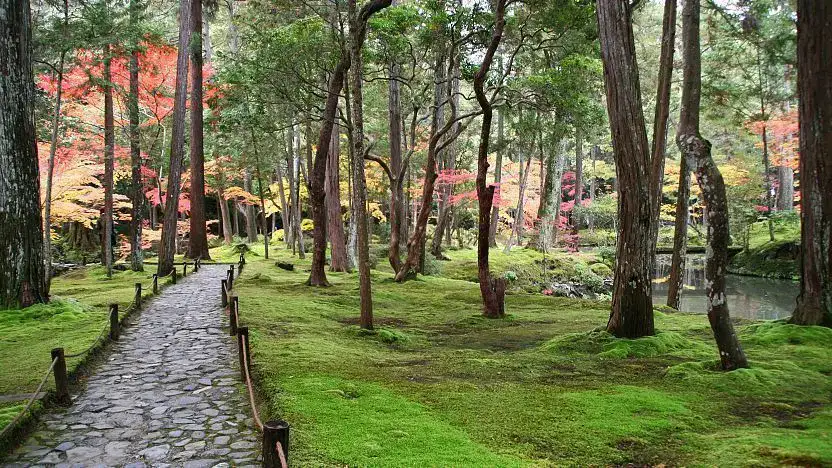
Kokedera means Moss Temple, named for its garden's estimated 120 different moss varieties. Except in winter, visitors can stroll through this spectacular garden, which has greatly influenced Japanese garden design.
Originally Prince Shotoku's villa, Kokedera became a temple in the Nara Period. In 1339, it was renovated into a Zen temple under priest Muso Soseki, who also designed its gardens.
Kokedera offers a unique chance to participate in temple activities. Every visitor is asked to join kito and shakyo—chanting and copying Buddhist scriptures (sutras).
Upon entering, proceed directly to the temple to pay the fee and begin sutra copying. Sit at a low writing desk. A monk leads chanting, then copying begins. When finished, take your sutra paper to the altar and exit. Afterward, don't miss a walk through the moss garden.
The entire activity takes over an hour, and sitting on the floor may be uncomfortable. However, copying the sutra is easier than it sounds: a tracing of Japanese characters guides even those unfamiliar with calligraphy or Buddhism.
Visitor information
Practical details to check before planning this stop.
- Hours
- Closed
- Admission
- English name
- Saihoji
- Original name
- Kokedera (Moss Temple)
Verify details before visiting. Currency conversion is indicative and may vary over time.