
What to know
Minamata Disease (Minamata-byō) is a neurological poisoning caused by eating seafood contaminated with methyl mercury, which was released into the sea by industrial factories. The disease can also affect unborn children if their mothers consume contaminated seafood.
Symptoms range from chronic fatigue and headaches to impaired vision, hearing, speech, and movement. Severe cases can be fatal. However, the disease is neither infectious nor hereditary.
First identified in the 1950s, Minamata Disease struck local residents with a mysterious illness. By the late 1950s, researchers traced the cause to toxic wastewater from the Chisso factory, which was discharged into Minamata Bay.
It was not until 1968 that Chisso stopped releasing mercury, and the national government officially acknowledged the cause. Since then, numerous lawsuits have been filed against Chisso and the government.
Today, about 3,000 people are officially recognized as victims, and over 10,000 have received compensation. Chisso still operates a factory in central Minamata and remains the city's largest private employer.
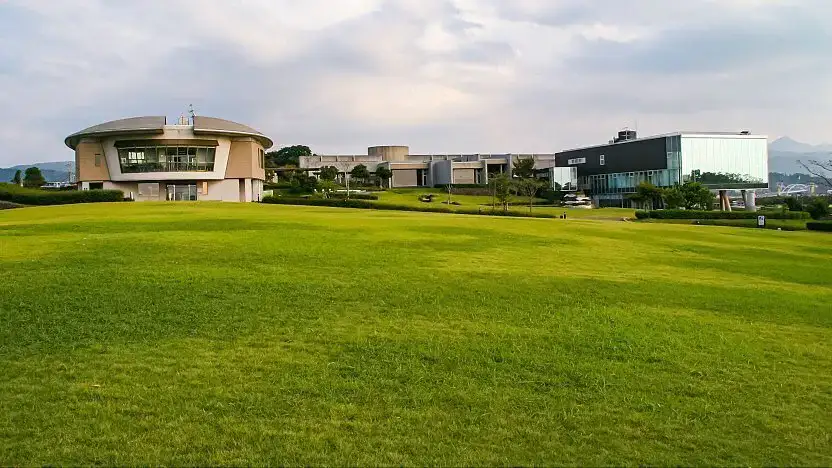
In the 1980s, the most polluted part of Minamata Bay was reclaimed, and other areas were dredged to remove mercury from the seabed. The reclaimed land and surroundings have been transformed into Eco Park Minamata, featuring green spaces, memorials, and museums dedicated to the disease.
Visitor information
Practical details to check before planning this stop.
- Hours
- 9:00 to 17:00
- Closed
- Mondays (or following day if Monday is a national holiday)
- Admission
- Free
- English name
- Minamata Disease Municipal Museum
- Original name
- Minamata Disease Related Sites
Verify details before visiting. Currency conversion is indicative and may vary over time.