

Overview
Rice (kome) is Japan's most vital crop, cultivated for over 2000 years. It is the staple food of the Japanese diet and so central to culture that it was once used as currency. The word for cooked rice (gohan) has become synonymous with "meal."
A bowl of cooked rice is essential in traditional Japanese meals, but the grain is also processed into sake, vinegar, flour, and more. Below are common rice products and dishes found nationwide.
Common Types of Rice

Japanese rice is short-grain and sticky when cooked. Most rice is polished to remove the bran and eaten as hakumai (white rice), the foundation of Japanese cooking, served with most meals.
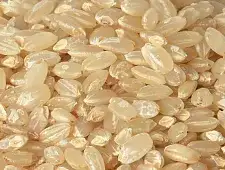
Unpolished genmai is less common as it's considered less tasty than white rice, but it's gaining popularity as a health food due to higher nutritional content from the bran layer.
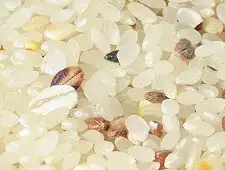
Other grains and seeds are added to white rice for flavor and nutrients. Simple versions add barley (mugi gohan), while elaborate blends include over a dozen additions. Multigrain rice is often named by the number of grains (e.g., juhachikoku) and served at health food restaurants.
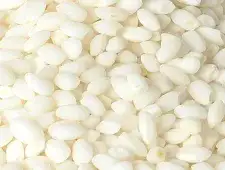
Glutinous rice (mochi rice or sticky rice) is the second most common variety. It becomes even stickier when cooked and is pounded into rice cakes, made into sweets, or used in dishes like sekihan (glutinous rice with red beans).