
Tables and Seating
Some restaurants in Japan feature low tables and cushions on tatami mats instead of (or in addition to) Western-style chairs and tables. Shoes and slippers must be removed before stepping onto tatami. Also, avoid stepping on cushions other than your own. For more details on sitting techniques and rules, see our sitting page.
Eating
Wet towels (oshibori) are provided at most restaurants to clean your hands before eating. After ordering, it is common to wait for everyone's order and then start the meal with the phrase "itadakimasu" ("I gratefully receive"). If a dish is best eaten right away but others at the table haven't been served yet, you can use "osaki ni dōzo" ("please go ahead") or "osaki ni itadakimasu" ("allow me to start before you").
When eating from small bowls, it is proper to pick up the bowl with your hand and bring it close to your mouth; however, larger dishes should generally not be lifted. When eating from shared dishes (common at places like izakaya), it is polite to use the opposite end of your chopsticks or dedicated serving chopsticks to move food to your own dish.
Blowing your nose at the table, burping, and audible munching are considered bad manners in Japan. On the other hand, it is good style to empty your dishes down to the last grain of rice. If there are foods you dislike or cannot eat, replacements may be available at restaurants or ryokan if you inform them in advance. Otherwise, it is best to leave those items on the dish.
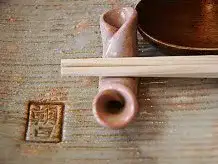
After finishing your meal, it is good manners to return all dishes to how they were at the start, including replacing lids and putting chopsticks back on the chopstick rest or in their paper holder. Conclude the meal with "gochisōsama deshita" ("thank you for the feast"), which expresses gratitude not only to the cook but also to the ingredients.
Drinking
Do not start drinking until everyone at the table has a drink and glasses are raised for a toast, usually with "kampai."
When drinking alcoholic beverages, it is customary to serve each other rather than pour your own drink. Periodically check your friends' cups and refill them if they are getting empty. Likewise, if someone wants to serve you more, drink some from your glass before holding it toward that person.
While it is considered bad manners to become obviously drunk in some formal restaurants, the same is not true for other types like izakaya, as long as you do not bother other guests.
If you do not drink alcohol, it is fine to simply say so and request other beverages. Non-alcoholic options usually include alcohol-free beer, tea, juices, and carbonated drinks.
How to Eat...
Hold the rice bowl in one hand and chopsticks in the other. Lift the bowl toward your mouth while eating. Do not pour soy sauce over plain white rice.
Pour some soy sauce into the small dish provided. It is bad manners to waste soy sauce, so pour only what you will use. You do not need to add wasabi to the soy sauce, as sushi that goes well with wasabi already contains it. If you choose to add wasabi, use only a small amount so as not to overpower the delicate flavors. If you dislike wasabi, you can request none be added. You can eat sushi with your hands or chopsticks. Generally, eat a piece in one bite; trying to separate it usually ruins the beautifully prepared sushi. For nigiri-zushi, dip the piece upside-down so the fish, not the rice, touches the sauce. Some types, like marinated pieces, should not be dipped as they are already seasoned. For gunkan-zushi, pour a small amount of soy sauce over the piece rather than dipping it.
Pour some soy sauce into the small dish provided. Put some wasabi on the sashimi piece, but be careful not to use too much as it will overpower the taste of the fish. Dip the sashimi pieces into the soy sauce. Some types of sashimi are enjoyed with ground ginger instead of wasabi.
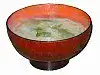
Drink the miso soup directly from the bowl as if it were a cup, and use your chopsticks to fish out the solid pieces.
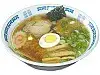
Use your chopsticks to guide the noodles into your mouth. You may want to try copying the slurping sound of people around you if dining in a noodle shop. Rather than being bad manners, slurping noodles is considered a sign of enjoyment and enhances the flavor. For noodle soups, be careful not to splash the noodles back into the liquid. If a ceramic spoon is provided, use it to drink the soup; otherwise, lift the bowl to your mouth and drink directly.
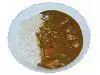
Japanese curry rice and other rice dishes where the rice is mixed with a sauce (e.g., some donburi dishes) can be difficult to eat with chopsticks. Large spoons are often provided for these dishes instead.
Separate into bite-sized pieces with your chopsticks (this takes some practice), or just bite off a piece and put the rest back onto your plate.