
Overview
As Japan's former capital and home to the imperial court for over a millennium, Kyoto boasts a rich culinary heritage. Its food culture spans from elegant kaiseki course dinners to vegetarian shojin ryori prepared by monks, and simple obanzai home-style dishes.
While some restaurants draw inspiration from tradition, others experiment with new flavors. Fusion restaurants blending Kyoto ingredients and techniques with global cooking styles can also be found. The Pontocho nightlife district is a prime spot for both fusion and traditional eateries. Nearby, the Gion district and the Kyoto Station area offer a wide range of dining options.
Common Japanese dishes like ramen, sushi, and udon are available throughout the city. Food enthusiasts should not miss the Nishiki Market in central Kyoto, a centuries-old market that continues to serve the city.
Kaiseki Ryori
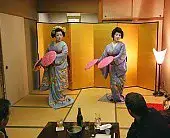
Kaiseki ryori originated from the tea ceremony but evolved into an elaborate dining style favored by aristocrats. Kyoto-style kaiseki (kyo kaiseki) is especially refined, emphasizing subtle flavors and local seasonal ingredients. A kaiseki meal follows a prescribed order of courses determined by the cooking method of each dish.
One way to enjoy kaiseki is by staying at a ryokan that includes a kaiseki dinner. Alternatively, kaiseki meals are available at restaurants, including high-end ryotei, many located in the Pontocho and Gion districts. A good kaiseki meal typically costs around 10,000 yen per person, but prices can range from 6,000 to 30,000 yen. Some restaurants incorporate foreign elements into their kaiseki.
Shojin Ryori
While kaiseki arose from aristocratic affluence, shojin ryori developed from the austerity of Buddhist monks. Prohibited from killing living creatures, monks avoided meat and fish. Shojin ryori consists of strictly vegetarian dishes that are both savory and filling. Travelers staying at temple lodgings can enjoy a shojin ryori meal as part of their stay.
Tofu is a common ingredient in shojin ryori and a local specialty of Kyoto. Tofu preparation is so prevalent that it is often called Tofu Ryori ("tofu cuisine"). A popular dish widely served at tofu restaurants in Kyoto is Yudofu—soft tofu simmered with vegetables in broth. A Yudofu meal typically costs 1,500 to 2,000 yen, though prices vary by restaurant quality. The Nanzenji and Arashiyama districts are especially famous for tofu cuisine.
Obanzai Ryori
Obanzai Ryori is Kyoto's traditional home-style cooking, consisting of multiple small dishes that are usually simple to prepare. Local seasonal produce is ideal for these dishes. Although the cooking methods are straightforward, skilled chefs can bring out rich natural flavors.
Restaurants serving obanzai ryori can be found throughout Kyoto. Many have a relaxed, friendly atmosphere reflecting the home-style cooking. A full meal typically costs 2,000 to 3,000 yen, depending on the number and type of dishes ordered.
Kawayuka/Kawadoko
Kawayuka, or Kawadoko outside central Kyoto, is a summer tradition of dining on temporary platforms built over flowing water. Developed to beat the summer heat, kawayuka offers a unique way to enjoy Kyoto cuisine while feeling the cooling effects of the water and lively summer atmosphere.
The most famous area for kawayuka is along the Kamogawa River in central Kyoto, especially around Pontocho. From May to September, restaurants construct temporary wooden decks over the canal on the river's west bank. Many serve kaiseki meals, but other cuisines are also available.
Kibune and Takao in the forested mountains north of central Kyoto are also popular for kawayuka, though it is called kawadoko there. In Kibune, platforms are built just centimeters above the river, offering almost complete relief from summer heat.
Terrace dining is popular, especially along the Kamogawa River in the evenings on weekends and holidays, when advance reservations are a must at most river-facing restaurants along Pontocho (usually in Japanese by phone).