
Overview
Situated in the fertile Nobi Plain, Nagoya has long been an agricultural and economic hub, fostering a distinct culinary tradition that sets it apart from its neighbors. Unlike the refined subtlety of Kyoto cuisine or the extravagant food culture of Osaka, Nagoya's local specialties have their own unique style and evoke the comforting feeling of hearty home cooking. A wide variety of restaurants can be found throughout the city, especially around Nagoya Station and Sakae.
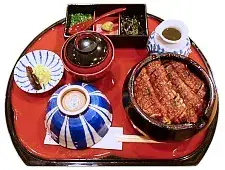
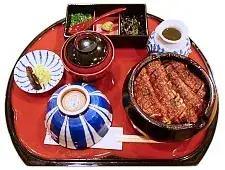
Nagoya is Japan's largest producer of freshwater eel (unagi), typically grilled, coated in a rich dark sauce, and served over rice. Nagoya's version, hitsumabushi, comes in a traditional wooden bowl accompanied by a rice bowl, a plate of condiments, and a pot of broth. You eat hitsumabushi by dividing the eel into four portions. For the first portion, scoop the eel into the rice bowl and eat it plain to savor the flavor. For the second, add condiments. For the third, season as before but add broth to create a type of chazuke. The final portion can be eaten however you like. Starting at around 2,000–3,000 yen per person, this dish is relatively expensive.
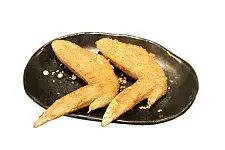
Tebasaki are seasoned, deep-fried chicken wings made without batter. Crispy, salty, and spicy, they are a great accompaniment to a cold beer. Though found at almost any izakaya or yakitori-ya in Japan, tebasaki are especially famous in Nagoya, where they are a bit spicier and served covered in white sesame seeds. Several chain restaurants even specialize in this dish.

Misokatsu starts as a typical tonkatsu dish: deep-fried pork cutlets served with shredded cabbage and rice. But instead of traditional tonkatsu sauce, a thick miso sauce is poured on top. The resulting meal has a rich, earthy flavor with a touch of sweetness that complements the crispy fried pork cutlet. Misokatsu is widely served at restaurants or sold as boxed meals (bento).
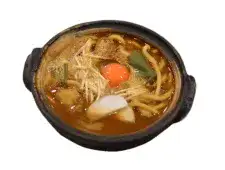
Misonikomi is a hearty hotpot dish descended from Yamanashi Prefecture's hoto noodles. The miso-based broth contains extra-thick noodles that have more in common with dumplings than udon, and is typically served in individual-sized earthen pots. Popular ingredients include green onions, chicken, mushrooms, raw egg, and rice cakes (mochi). Misonikomi can be found at specialty restaurants and other establishments.
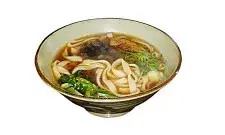
Kishimen are broad, flat wheat noodles similar to udon. This inexpensive dish is served like udon and soba, either hot in a fish-based soup or cold with a dipping sauce.
Getting There and Around
How to get to and around Nagoya