
Overview
Okinawan cuisine is distinct from mainland Japanese food, shaped by the islands' unique history and subtropical climate. Influences from China, Southeast Asia, Japan, and the United States have created a diverse culinary tradition. The warm climate also affects local agriculture and dining habits.
Okinawan dishes are widely available across the prefecture. To sample a variety, visit a local izakaya where small plates are shared. Some venues feature live Okinawan music, especially in tourist hubs like Naha's Kokusaidori Street.
Meals
The following three dishes—especially Goya Champuru and Okinawa Soba—are ubiquitous in Okinawa. They are popular with tourists and locals alike, and often feature in home cooking:
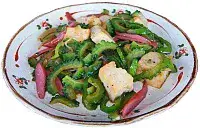
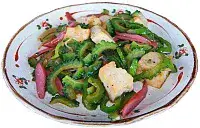
Champuru means 'stir-fry' in the Okinawan language. The most famous version is goya champuru, which stir-fries bitter melon (goya) with tofu, eggs, and pork or Spam. Other variations include fu (wheat gluten) champuru, tofu champuru, and papaya champuru.
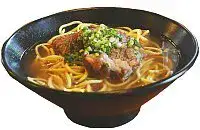
Despite the name, Okinawa Soba is quite different from mainland soba. The noodles are made from wheat flour, not buckwheat, making them similar to udon. Served in a savory broth with toppings like soft-boiled pork (Soki Soba), green onions, kamaboko (fish cake), and red ginger.
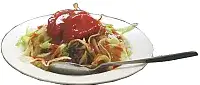
A legacy of the American military presence, taco rice is a filling, affordable dish. Its exact origins are unclear, but it emerged after World War II. It consists of taco ingredients—ground beef, lettuce, tomatoes, salsa—served over rice. Cheese or onions may be added, and it's typically eaten with a spoon.