

Overview
Wagashi (和菓子) are traditional Japanese confections typically paired with a cup of green tea. They come in countless shapes, textures, and flavors, using a variety of ingredients and preparation methods. Some wagashi are popular nationwide and year-round, while others are regional or seasonal specialties.
Sweet azuki bean paste (anko) is a key ingredient in many Japanese sweets. Boiled azuki beans are sweetened with sugar and mashed into either smooth anko (koshian) or chunky anko (tsubuan). Other common wagashi ingredients include rice cakes (mochi), rice flour, Japanese agar (kanten), sesame paste, and chestnuts.
Wagashi can be enjoyed at select cafes, restaurants, temples, and gardens where green tea is served. They are also available at specialty sweet shops, department stores, supermarkets, convenience stores, and food stalls. Kyoto is especially famous for its wagashi shops, while the Nakamise shopping street in Asakusa is a great spot to sample traditional sweets from Tokyo.
Below are some of the most common wagashi types you are likely to encounter:
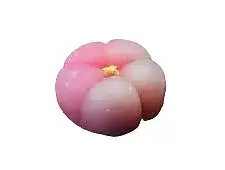
Namagashi (literally 'raw sweets') are the quintessential wagashi, often associated with the tea ceremony. Made from rice flour and sweet bean paste, they are delicately hand-shaped to reflect the season.
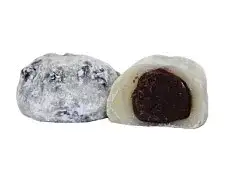
Daifuku are soft rice cake (mochi) wrapped around a round of smooth sweet bean paste or other fillings. They are dusted with potato starch to prevent sticking. Popular variations include strawberry (ichigo), bean (mame), and ice cream. Eat them quickly as they harden when exposed to air.
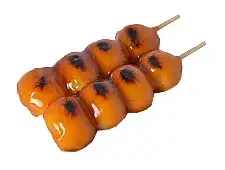
Dango are chewy, small steamed dumplings made from rice flour, typically served skewered three or four to a stick and topped with sweet sauce or bean paste. They are also used in desserts like anmitsu and oshiruko. Best eaten fresh.
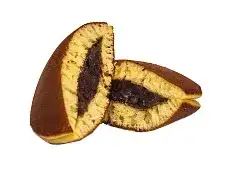
Dorayaki are sweet bean paste sandwiches between two pancake-like patties. Known as the favorite snack of Doraemon, a popular anime character. Modern versions may include whipped cream, custard, or green tea cream.
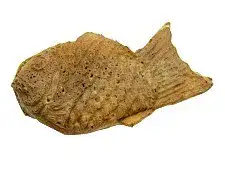
Taiyaki are fish-shaped snacks made from pancake-like batter and filled with sweet bean paste, though modern fillings include custard, chocolate, or cheese. Best eaten hot off the grill when the batter is crispy.

Manju are small steamed or baked buns filled with sweet bean paste or other sweet fillings. Traditionally round with a smooth outer layer, baked versions come in various shapes, such as Hiroshima's momiji-manju.
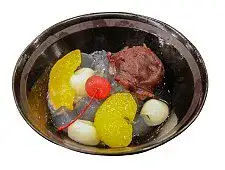
Anmitsu is a dessert of sweet bean paste, rice flour dumplings, fruits, and cubed kanten agar, dressed with brown sugar syrup (kuromitsu). It may include a scoop of ice cream, then called 'cream anmitsu'.
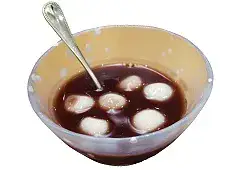
Oshiruko is a sweet dessert soup of hot red bean soup with grilled rice cakes (mochi) or rice flour dumplings. The soup can be smooth or chunky. Zenzai is a similar dish with a thicker soup.
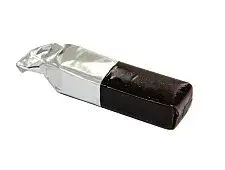
Yokan is a firm, jelly-like sweet made from sugar and kanten agar. It comes in flavors like azuki bean, green tea, or black sugar. Single-serving bars are about the size of a pack of gum; larger bars should be sliced. Yokan does not need refrigeration and has a long shelf life.
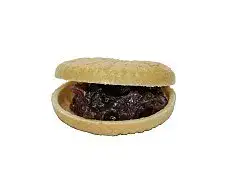
Monaka consists of a wafer shell filled with sweet bean paste. Shells come in various shapes, from simple rounds to intricate designs. A popular modern version is filled with ice cream. The wafers go stale quickly once exposed to air, so eat them soon.