
Overview
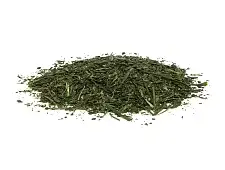
Tea is the most popular beverage in Japan and a key part of Japanese food culture. Various types of tea are widely available and consumed throughout the day. Green tea is the most common type; when someone says "tea" (お茶, ocha) without specifying, they mean green tea. Green tea is also central to the tea ceremony. Famous tea-growing regions include Shizuoka, Kagoshima, and Uji.
Below is a list of the main tea varieties commonly enjoyed in Japan:
Tea from tea plant
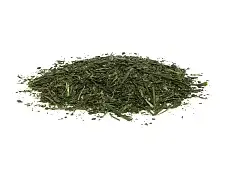
Various grades of green tea are cultivated, differing by harvest time and sunlight exposure. The highest grade is gyokuro, picked during the first harvest and shaded from the sun before harvest. Next is sencha, also from the first harvest but not shaded. Bancha is a lower grade from later harvests.
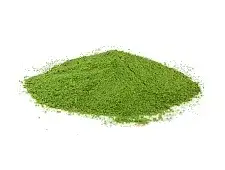
Only the highest quality leaves are used for matcha. They are dried and ground into a fine powder, then mixed with hot water. Matcha is the green tea used in the tea ceremony.
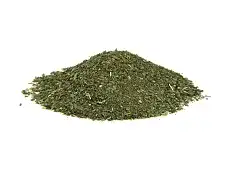
Konacha consists of tea dust, buds, and small leaves left after processing gyokuro or sencha. Though considered lower grade, it complements foods like sushi well and is often self-served at inexpensive sushi restaurants.
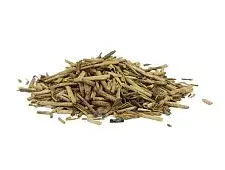
Hojicha is made by roasting tea leaves, giving them a reddish-brown color. The roasting triggers chemical changes, giving hojicha a sweet, slightly caramel-like aroma.
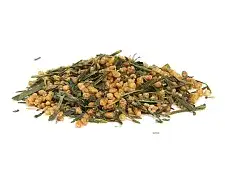
Genmai is unpolished brown rice. Roasted genmai grains are mixed with tea leaves to produce genmaicha. The roasted rice gives the tea a yellowish color and special flavor. It is a popular alternative to standard green tea.
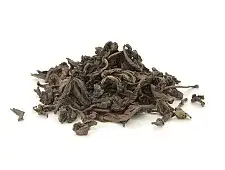
Oolongcha is made by allowing tea leaves to oxidize, then steaming or roasting them to stop oxidation. It is served hot and cold at almost all dining establishments across Japan. The tea is brown in color.
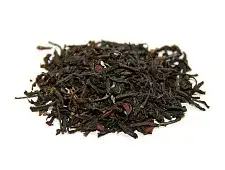
Kocha leaves are more oxidized than oolongcha, giving the tea a dark color. In Japanese, "kocha" means "red tea," referring to its reddish-brown hue. Kocha is widely available at Western-style cafes and restaurants.
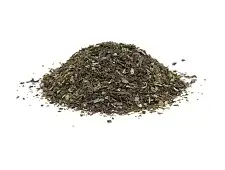
Jasmine tea is widely consumed in Okinawa, where it is called sanpincha, but less so elsewhere in Japan. It is made by combining jasmine flowers with a green tea or sometimes oolong tea base.