
Overview
Tempura (天ぷら) are pieces of seafood and vegetables that are lightly battered and deep-fried. Introduced to Japan by Portuguese traders in Nagasaki during the 16th century, tempura has evolved over the centuries into a popular Japanese dish both in Japan and abroad. You can find tempura in many types of restaurants across the country, where it is commonly served as a main dish, side dish, or as a topping for tendon rice bowls, as well as udon and soba noodle dishes. Below are some of the most popular varieties of tempura pieces:
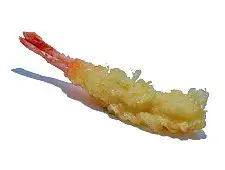
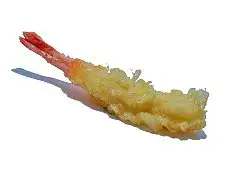
Ebi is a popular tempura ingredient that can be found on virtually all tempura dishes.
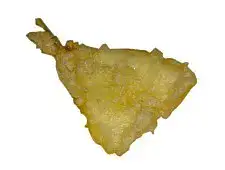
Small fillets or whole small fish are made into tempura pieces. Whitefish such as Japanese whiting, whitebait, goby, and sweetfish are typically used.
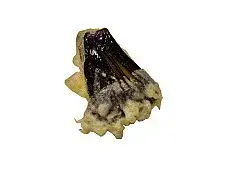
Nasu are Japanese eggplants or aubergines. Depending on the size of the nasu, they may be sliced into rounds, cut in half, or cut into a fan shape before being battered and deep-fried.
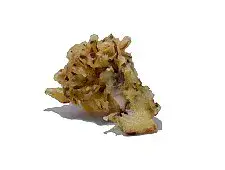
Mushrooms are popular ingredients for tempura. All different types of mushrooms are used, especially shiitake and maitake.
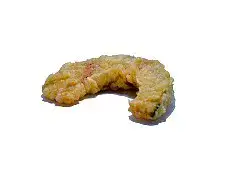
Kabocha is a Japanese pumpkin with a thin, typically dark green skin and orange flesh. The skin is left on when cooking and is eaten together with the flesh. Thin, sweet, and starchy wedges of kabocha tempura are common items on tempura menus.
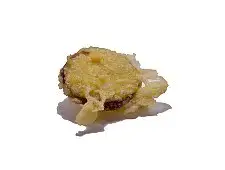
Satsumaimo is a type of Japanese sweet potato with a purple skin and yellow flesh. When used for tempura, it is sliced thinly and the skin is left on. Like kabocha, satsumaimo are sweet and starchy.
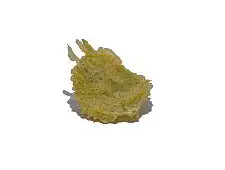
Shiso leaves have a mint-like flavor. They are usually served as a garnish with sashimi and are also a fairly common tempura ingredient.
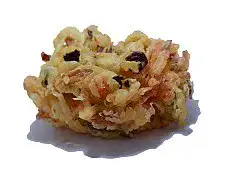
Kakiage is a type of tempura patty made from a variety of julienned vegetables and seafood mixed together in tempura batter and deep-fried. Kakiage may be served as an appetizer or side dish, or as a topping over rice or noodles.