

Overview
Tofu is made by curdling soy milk and pressing the curds into blocks, similar to cheese making. It is an excellent source of protein and a staple in Japanese cuisine. Tofu plays a particularly important role in vegetarian Buddhist temple cuisine (shojin ryori). When fresh, tofu has a delicate flavor and is incredibly versatile, used in both sweet and savory dishes.
Below are some of the most popular tofu products and dishes:
Tofu Products

Soft (or silken) tofu is fresh tofu with a smooth, custard-like consistency. It is often eaten cold as hiyayakko or added to sauces and stews such as mabodofu.

Firm tofu is also fresh tofu but has a much sturdier texture than soft tofu, making it better suited for cooking.

Several types of deep-fried tofu are used in Japanese cuisine. Aburaage are thin sheets of tofu fried until light and airy, then used as pouches stuffed with fillings (as in inarizushi) or sliced as a garnish (in miso soup or kitsune udon). A thicker variety, atsuage, is like regular tofu with a fried skin, served alone with sauce or used in soups and stews.
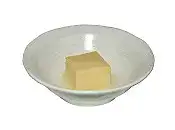
Koyadofu is freeze-dried tofu named after Mount Koya, where it is a local specialty served at Buddhist temples. It has a light, spongy texture that absorbs sauces or soups. Koyadofu is common in vegetarian temple cuisine (shojin ryori).
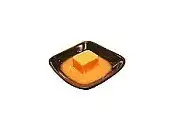
Tofuyo is an Okinawan dish made from fermented tofu soaked in malted rice and awamori liquor. It has a powerful, pungent flavor often compared to strong cheese. Tofuyo is served in very small portions, usually as a snack with alcoholic drinks, and can be found at Okinawan restaurants.