

Overview
Tokyo is one of the world's most exciting dining destinations. The city offers a vast array of local and regional Japanese cuisine alongside every type of international fare. Its top restaurants have earned more Michelin stars than Paris and New York combined. But great food can be found at every price point, from cheap hole-in-the-wall joints to upscale high-class restaurants, with plenty in between.
Tokyo specialties
As Japan's political center for over four centuries, Tokyo has naturally had a major influence on Japanese cuisine. Consequently, some Tokyo specialties have become so popular that they are now considered the standard version of the dish rather than a local specialty. Local creations from Tokyo (formerly called Edo) are often referred to as "Edo-mae", literally meaning "in front of Edo", referencing Edo Bay (now Tokyo Bay) which supplied the city with its local seafood. Here are some popular Tokyo specialties:
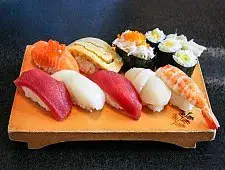
The most popular type of sushi today, nigiri-zushi originated as a fast-food dish in Tokyo. It consists of a piece of seafood placed on a small ball of rice, requiring much less time and effort to prepare than more traditional sushi. Nigiri-zushi is served at all sushi restaurants, from inexpensive conveyor belt sushi to Michelin-starred establishments. The Tsukiji Outer Market is one of the best places to eat fresh sushi.
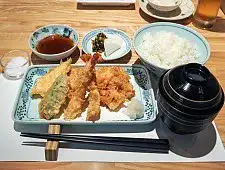
Another of Japan's most famous dishes, tempura also underwent major development in the capital. Before the Edo Period, tempura was mainly made with vegetables, but Edo cooks began deep-frying seafood from Edo Bay in tempura batter, resulting in the more varied dish we know today. A visit to a specialized tempura restaurant (tempura-ya) is the recommended way to enjoy tempura.
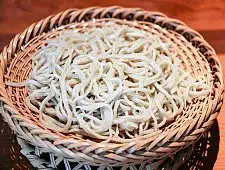
Soba (buckwheat noodles) are popular in many regions of Japan. In Tokyo, they were especially popular during the Edo Period and can be found all across the city today, including at standing soba eateries and establishments specializing in soba (soba-ya). The dipping sauce used in Tokyo is traditionally relatively thick, and diners are encouraged to dip their noodles into it only lightly.

Chankonabe is a hot pot dish that serves as the diet of sumo wrestlers. It is a healthy, protein-rich dish containing mainly fish or chicken and seasonal vegetables. The best place to try chankonabe is at one of the specialty restaurants around the Kokugikan Sumo Stadium in Ryogoku, many of which are run by ex-sumo wrestlers.
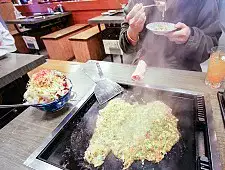
Monjayaki is a type of runny pancake made from flour and water mixed with ingredients like sliced cabbage and small pieces of seafood and meat, then cooked on a hot grill. A small spatula is used to scrape some of the cooked monjayaki and eat it directly off the grill. "Monjayaki Street" in Tsukishima is the best place to eat this dish.
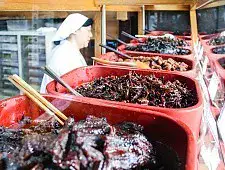
Tsukudani consists of small pieces of food simmered in a mixture of soy sauce and sweet sake for preservation. They are commonly enjoyed as an accompaniment to a bowl of cooked rice. Tsukudani has its roots on Tsukudajima Island near Tsukishima, where Tokugawa Ieyasu relocated fishermen skilled in making tsukudani.
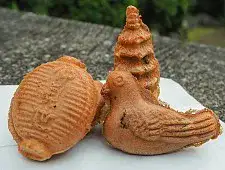
Tokyo is home to various types of traditional Japanese sweets (wagashi). These include ningyoyaki, small red bean paste filled cakes shaped like dolls or other forms; dorayaki, a pastry made of sweet pancakes with a layer of red bean paste sandwiched in between; and anmitsu, a dessert typically consisting of agar jelly, a scoop of red bean paste, small mochi balls, and seasonal fruits topped with sweet black sugar syrup.