
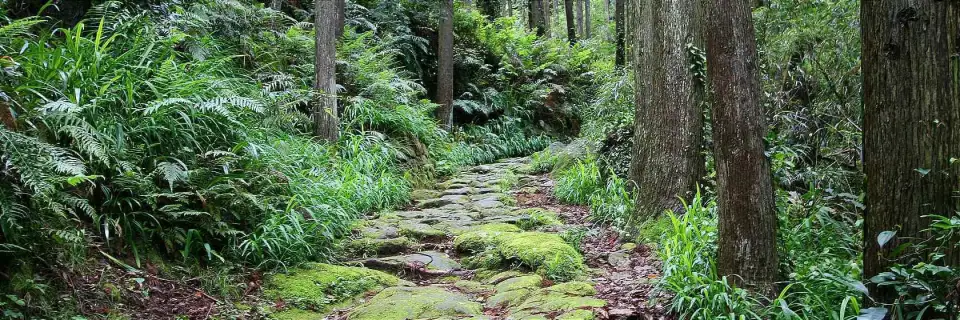
What to know
The Kumano area (熊野) lies at the southern tip of the Kii Peninsula, roughly 100 kilometers south of Osaka and Kyoto. It spans Wakayama and Mie prefectures, though most of its attractions and religious sites are in Wakayama.
Kumano is centered on three grand shrines—Hongu Taisha, Nachi Taisha, and Hayatama Taisha—collectively known as the Kumano Sanzan. For over a thousand years, pilgrims have traveled to and between these shrines via the Kumano Kodo network of walking trails. The shrines themselves are even older, with mentions in Japan's founding mythology.
The region is steeped in religious and historical significance emanating from the three shrines. According to legend, Jimmu, the Sun Goddess's great-grandson, came to Kumano to unify the country as Japan's first emperor. Adding to the area's sanctity, Kumano is also called "The Land of the Dead," reflecting the belief that spirits and ancestors dwell here after death.
Towns and cities dot the Kii coastline, blending Kumano's ancient history with modern life. Some, like Shirahama and Katsuura, offer hot springs, while others such as Kumano City and Kushimoto boast scenic coastal views.
In 2004, Kumano's religious treasures and pilgrimage routes were designated a UNESCO World Heritage Site under the name "Sacred Sites and Pilgrimage Routes in the Kii Mountain Range." The designation also includes neighboring Koyasan, Yoshino, and Ominesan.
Activities and attractions
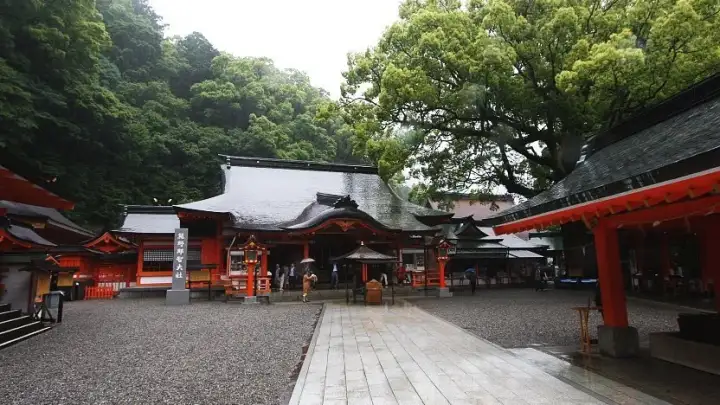 Kumano Nachi TaishaOne of the three Kumano shrines
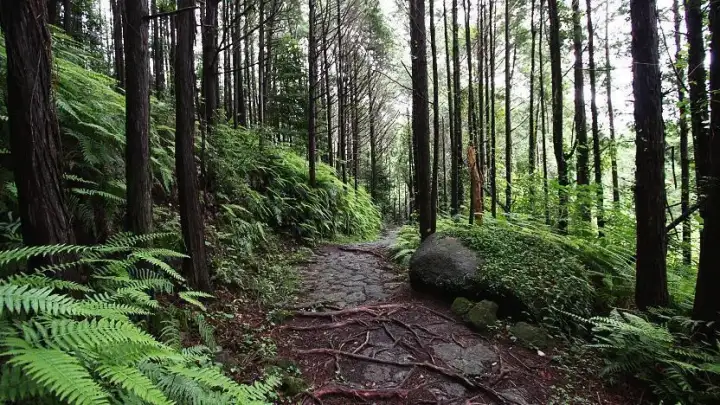
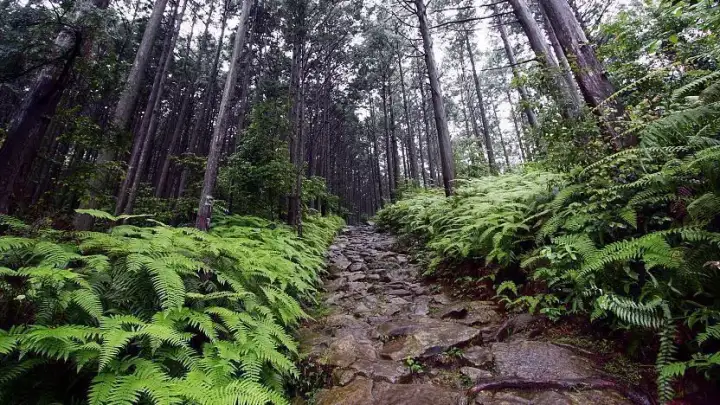 Kumano Kodo Pilgrimage TrailsAncient network of pilgrimage routes
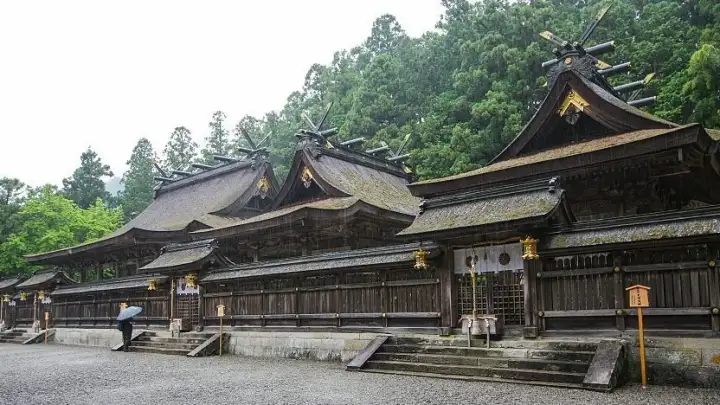 Hongu TaishaOne of the three Kumano shrines
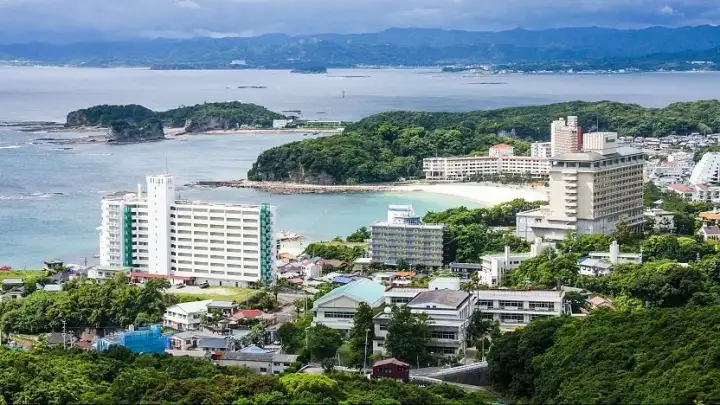 ShirahamaLarge hot spring resort with sand beach
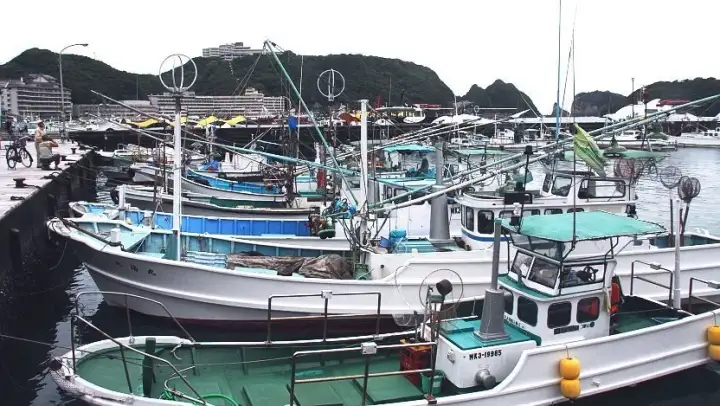 Nachi-KatsuuraCoastal hot spring resort
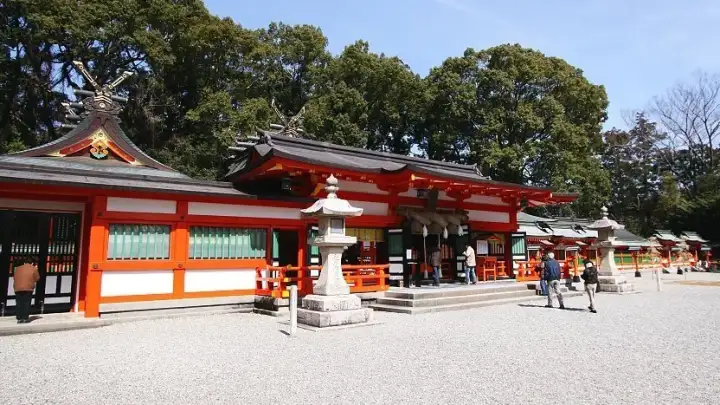 Kumano Hayatama TaishaOne of the three Kumano shrines
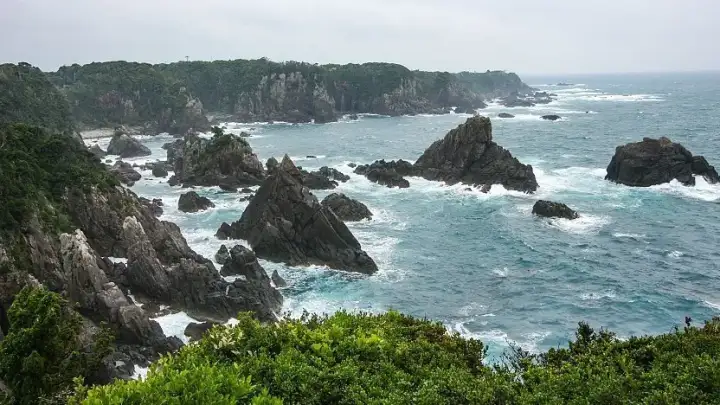 KushimotoSouthernmost Point of Honshu Island
 Kumano CitySite of an ancient shrine