
What to know
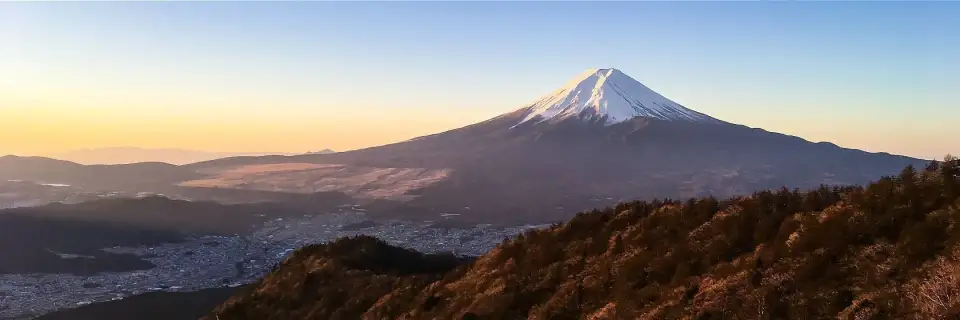
Rising 3,776 meters above sea level, Mount Fuji (Fujisan) is Japan's tallest peak. This near-perfectly shaped volcano has long been revered as a sacred mountain and has inspired artists and pilgrims for centuries.
Mount Fuji is an active volcano that last erupted in 1707. It straddles the border between Yamanashi and Shizuoka prefectures and, on clear days, can be seen from Tokyo and Yokohama.
Another easy way to view Mount Fuji is from the train on a trip between Tokyo and Osaka. If you take the Tokaido Shinkansen from Tokyo toward Nagoya, Kyoto, and Osaka, the best view appears on the right side of the train around Shin-Fuji Station, about 40–45 minutes into the journey.
However, clouds and poor visibility often obscure the mountain, so consider yourself lucky if you get a clear view. Visibility is generally better in the colder months and during early morning or late evening hours rather than midday.
For a more leisurely experience in a beautiful natural setting, head to the Fuji Five Lakes (Fujigoko) region at the mountain's northern base, or to Hakone, a nearby hot spring resort. Mount Fuji is officially open for climbing during July and August via several routes.
Activities and attractions
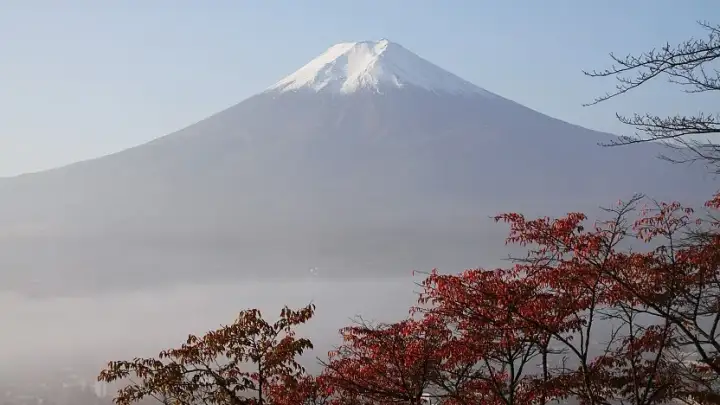 Climbing Mount FujiA guide to climbing Mount Fuji
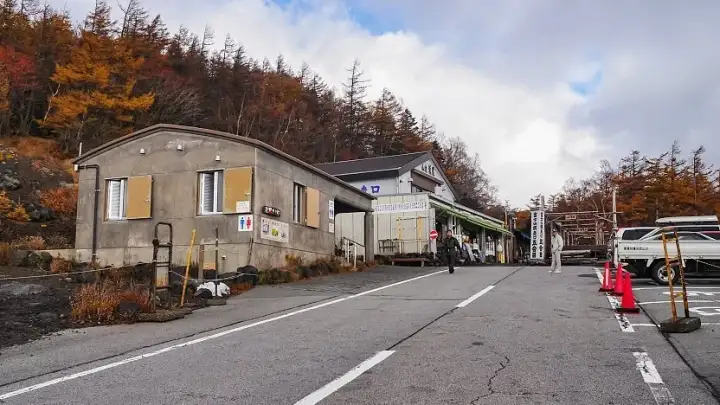 Subashiri 5th Station (Subashiri Trail)5th Station on the eastern slope of Mount Fuji
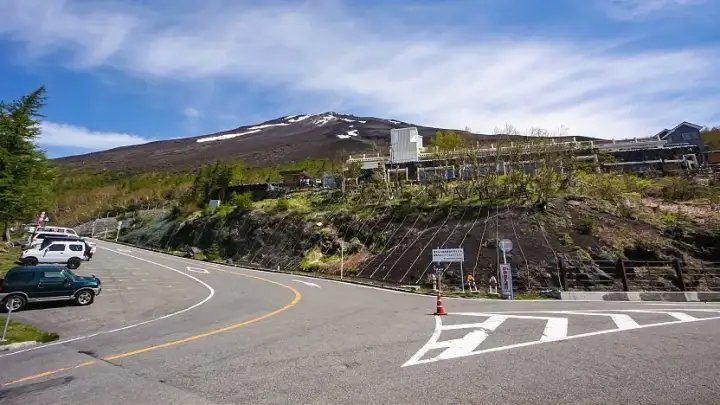 Fujinomiya 5th Station (Fujinomiya Trail)5th Station on the southern slope of Mount Fuji
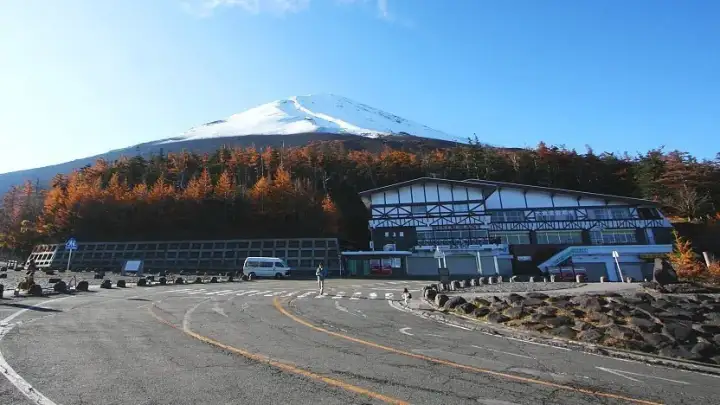 Fuji Subaru Line 5th StationMost popular of the mountain’s 5th stations
 Fujiten Snow ResortSmall snow resort at the base of Mount Fuji
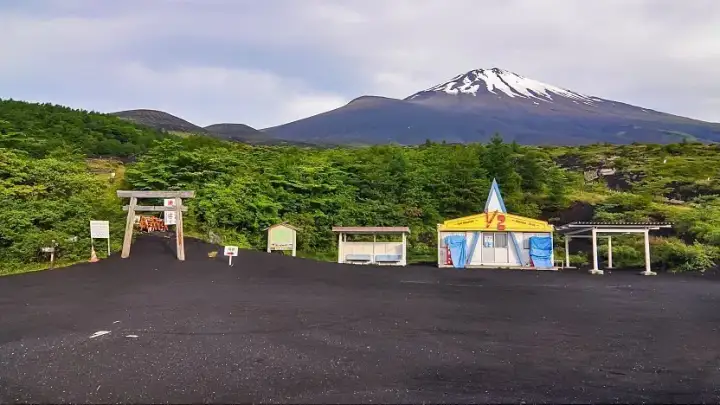 Gotemba 5th Station (Gotemba Trail)The lowest of Mount Fuji’s 5th stations
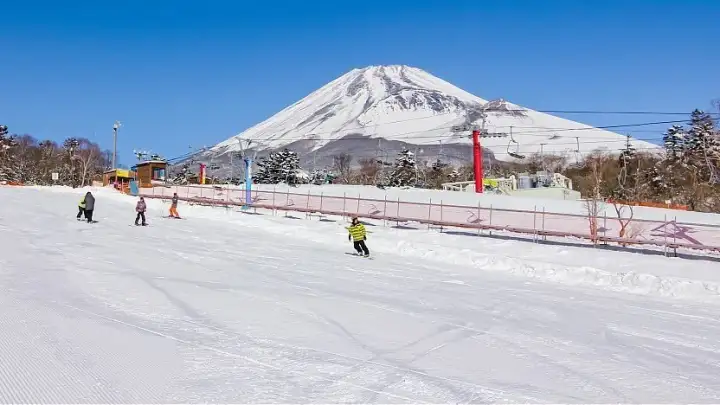 Snow Town YetiSmall ski resort on the south of Mount Fuji
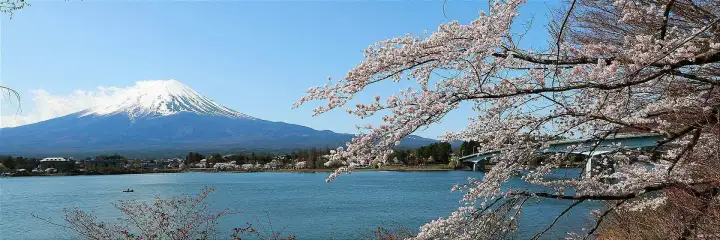 Fuji Five Lakes (Fujigoko)Lake resort at the foot of Mount Fuji
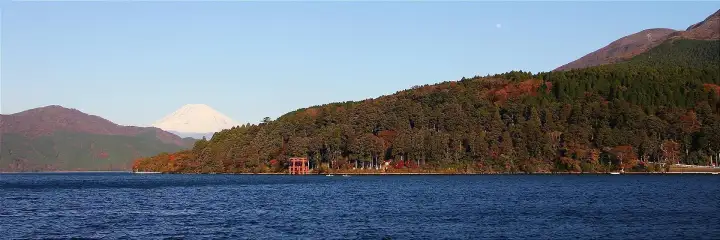 HakoneNational park with views of Mount Fuji
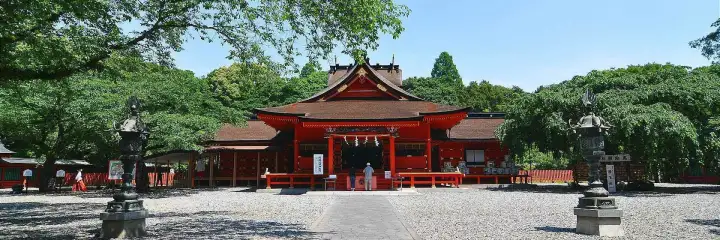 FujinomiyaCity at the southern base of Mount Fuji